
Private landlords are not currently covered by Awaab’s Law.
But that could soon change.
A new Housing Committee article published on 3 July 2026 has called for Awaab’s Law to be extended to the private rented sector from 2026.
The article, “Renters’ rights – Government needs to go further to ensure tenants are protected”, reports on findings from the cross-party Housing, Communities and Local Government Committee. One of the key recommendations is that legal timescales for landlords to deal with hazards should be rolled out across the private rented sector, with full protections in place by the end of 2028/29.
For private landlords, property managers and letting agents, this is not something to ignore.
If you are dealing with damp, mould, condensation, cold rooms or repeat tenant complaints, now is the time to understand what is happening inside your properties — before the issue becomes more difficult, more expensive or more serious.
What is Awaab’s Law & Who Does it Apply To At the Moment?
Awaab’s Law was introduced following the death of two-year-old Awaab Ishak, who died after prolonged exposure to mould in his home.
At the moment, Awaab’s Law applies to social rented homes in England, including council and housing-association properties.
It requires social landlords to deal with certain housing hazards within set timescales. In its first phase, this includes significant damp and mould hazards, as well as emergency hazards.
The aim is simple: dangerous living conditions should be investigated and dealt with quickly, rather than leaving residents stuck with unresolved hazards.
Does Awaab’s Law Currently Apply to Private Landlords?
No. Awaab’s Law does not currently apply to privately rented homes.
It applies to social rented homes in England.
However, the latest Housing Committee report has called for this to change. The Committee says the Government should begin rolling out Awaab’s Law across the private rented sector in 2026, with legal timescales for dealing with hazards fully in place by the end of 2028/29.
So while private landlords are not currently covered by Awaab’s Law, the direction is clear.
Damp and mould, property condition, energy efficiency and evidence of action are all coming under closer scrutiny.
What Has the Housing Committee Said About the Private Rented Sector?
The Housing Committee report is not only about Awaab’s Law.
It looks more widely at housing conditions in the private rented sector and says the Government needs to go further to protect tenants, including those who may find it harder to raise concerns or challenge poor conditions.
The report recommends stronger incentives for landlords, as well as stronger deterrents where rules are breached, to help speed up compliance with the new Decent Homes Standard ahead of the 2035 deadline.
It also raises concerns about enforcement. The Committee warns that the new minimum energy efficiency standard could be undermined if local authorities do not have the resources they need to regulate and enforce standards properly.
The report also says the proposed Private Rented Sector Database should be more than a basic register. It should help drive up standards, give tenants clearer information about the quality of homes and make it easier for concerns to be reported.
Selective licensing was also highlighted as a useful tool for councils to target areas with the poorest housing conditions.
For private landlords and property managers, the overall message is clear: standards are tightening, and being able to show what you have done may become just as important as the work itself.
Why Private Landlords Should Not Wait for Damp and Mould Complaints to Escalate
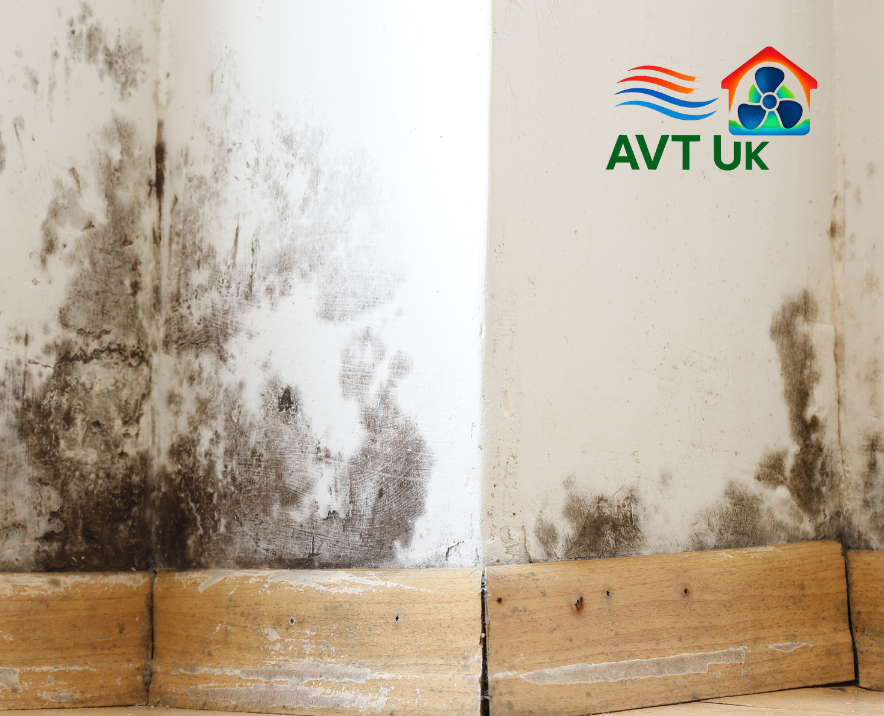
Damp and mould problems rarely sort themselves out.
If a tenant reports mould, condensation or a cold room, the visible issue may only be one part of the problem. Cleaning the mould off, repainting the wall or adding a dehumidifier may help for a short time, but it will not always deal with the reason it is happening.
Recurring damp and mould can be linked to several building-performance issues, including:
- Heat loss
- Cold bridging
- Poor insulation
- Air leakage
- Inadequate ventilation
- High humidity
- Low internal temperatures
- Everyday moisture levels inside the property
Sometimes, the way a property is being used can contribute to the issue. Other times, the building itself is not performing as it should. That is why landlords need clear evidence.
If you know what is happening inside a property, you are in a much stronger position to decide what needs doing, keep proper records and respond properly if a concern is raised.
Finding The Cause of Damp & Mould, Not Just Covering It Up
Damp and mould are not always simple.
A cold bedroom wall could point to heat loss or cold bridging. Condensation on windows could be linked to poor ventilation, high humidity or low internal temperatures. Mould in corners may be linked to limited air movement, colder surfaces or insulation gaps.
Without proper assessment, it is easy to spend money on the wrong fix.
That can lead to repeat call-backs, frustrated tenants and the same problem coming back again and again.
For landlords managing several properties, this matters even more. If damp, mould or condensation keeps appearing across a portfolio, you need to understand whether there is a wider issue with ventilation, heat loss, insulation, air leakage or property use.
How Heat Loss Surveys, Ventilation Testing & Air Tightness Testing Can Help Private Landlords
AVT helps landlords, property managers and housing providers get a clearer picture of how their properties are performing.
Instead of only looking at the visible mould, we help identify the building-performance issues that may be contributing to the problem.
This can include:
- Heat 3D thermal heat loss surveys to identify where warmth may be escaping
- Ventilation testing to check whether systems are working properly
- Air tightness assessments to understand unwanted air leakage
- EPC assessments to review energy performance
- Building-performance advice to help you understand what the results mean
This gives you clearer evidence of what is happening, so you can make better decisions about repairs, improvements and compliance.
It can also help you show that you are taking damp, mould and housing conditions seriously, rather than only reacting when complaints escalate.
Why Switchee Smart Monitoring Is an Effective Way to Identify Damp and Mould Risks Early
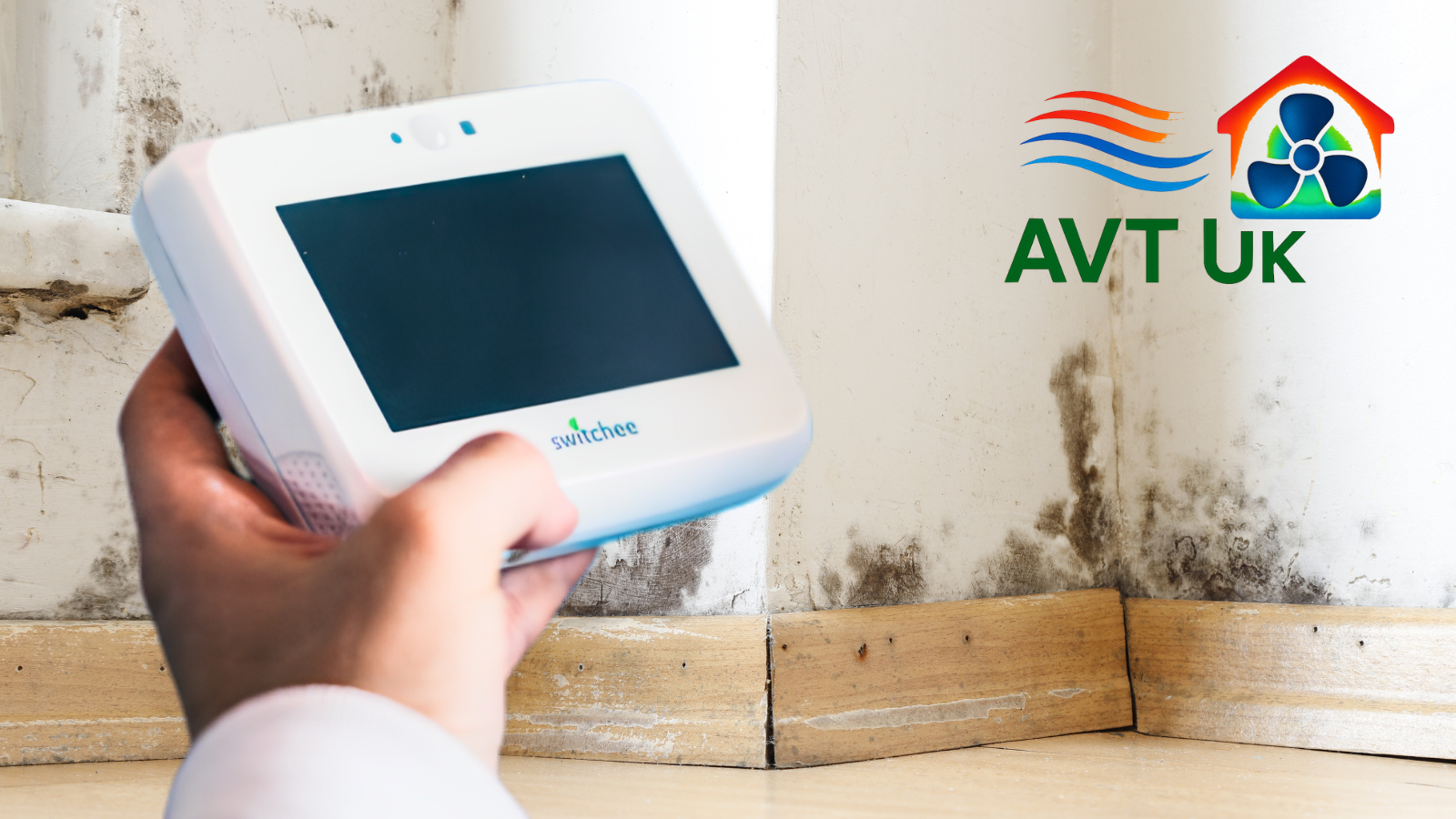
AVT also supplies and installs Switchee smart monitoring systems.
Switchee is especially useful for damp and mould risk because a single inspection only shows you what is happening at that moment. It does not show the full pattern inside the property.
A room may look fine during a visit, but the data could show repeated periods of high humidity, low temperatures or conditions that increase the risk of condensation and mould growth.
Switchee helps landlords monitor temperature and humidity levels over time, giving you clearer insight between inspections.
That can help you:
- Spot potential damp and mould risks earlier
- Understand temperature and humidity patterns
- Prioritise properties that may need attention
- Build clearer evidence before a complaint escalates
- Support residents with practical information
- Take a more proactive approach to property management
For private landlords, this kind of monitoring could become increasingly valuable as expectations around damp, mould and housing standards continue to tighten.
What Does The Change to Awaab’s Law Mean for Private Landlords & Property Compliance?
The Housing Committee article does not mean Awaab’s Law has already been extended to the private rented sector.
But it does show where things may be heading.
Private landlords are already dealing with growing pressure around property standards, energy performance, damp and mould, tenant complaints and repair records.
The report also links into wider changes, including the new Decent Homes Standard, minimum energy efficiency standards, local authority enforcement, selective licensing and the proposed Private Rented Sector Database.
That means landlords may need clearer evidence of property condition, how quickly issues have been investigated and what action has been taken.
Waiting until a complaint lands on your desk is a risky way to manage damp and mould.
A proactive approach helps you understand what is happening, decide what needs doing and keep better records of the steps you have taken.
Speak To AVT About Awaab’s Law, Building Performance, & Damp and Mould Risk
If you manage private rented homes and are concerned about damp, mould, condensation, cold rooms or energy performance, AVT UK can help.
We provide practical building-performance support for landlords, property managers, housing providers and letting agents who want to understand what is happening inside their properties before issues escalate.
Whether you manage one property or a larger portfolio, we can help you identify potential damp and mould risks earlier, gather clearer evidence and take a more proactive approach to healthier, safer and more energy-efficient homes.
If you are already dealing with repeat complaints, rising maintenance costs or uncertainty around what is causing damp and mould, now is the time to get a clearer picture.