Air Tightness, Ventilation & Building Compliance Advice
This is where we share plain-English guidance on building performance, compliance, and energy efficiency — without the waffle.
Our blog covers the real issues we see on site every week, from air leakage and heat loss to ventilation, testing, and getting projects over the line without delays.
Whether you’re a builder, developer, retrofit professional, or a homeowner trying to understand what’s actually going on in your property, you’ll find clear explanations and practical takeaways here.
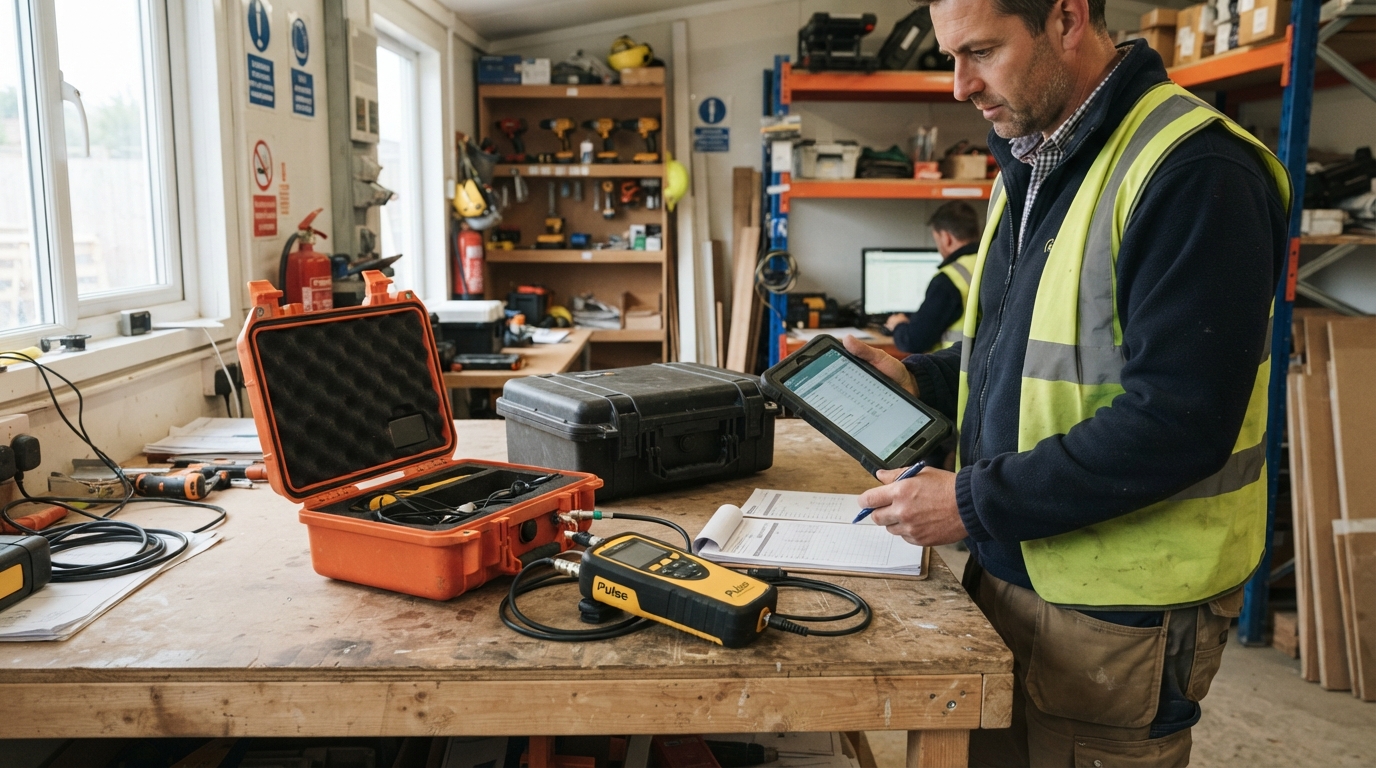
Buying your own air tightness testing equipment can make sense when it is in constant use. For occasional or project-based testing, hiring may give you the equipment you need without the cost and responsibility of ownership.
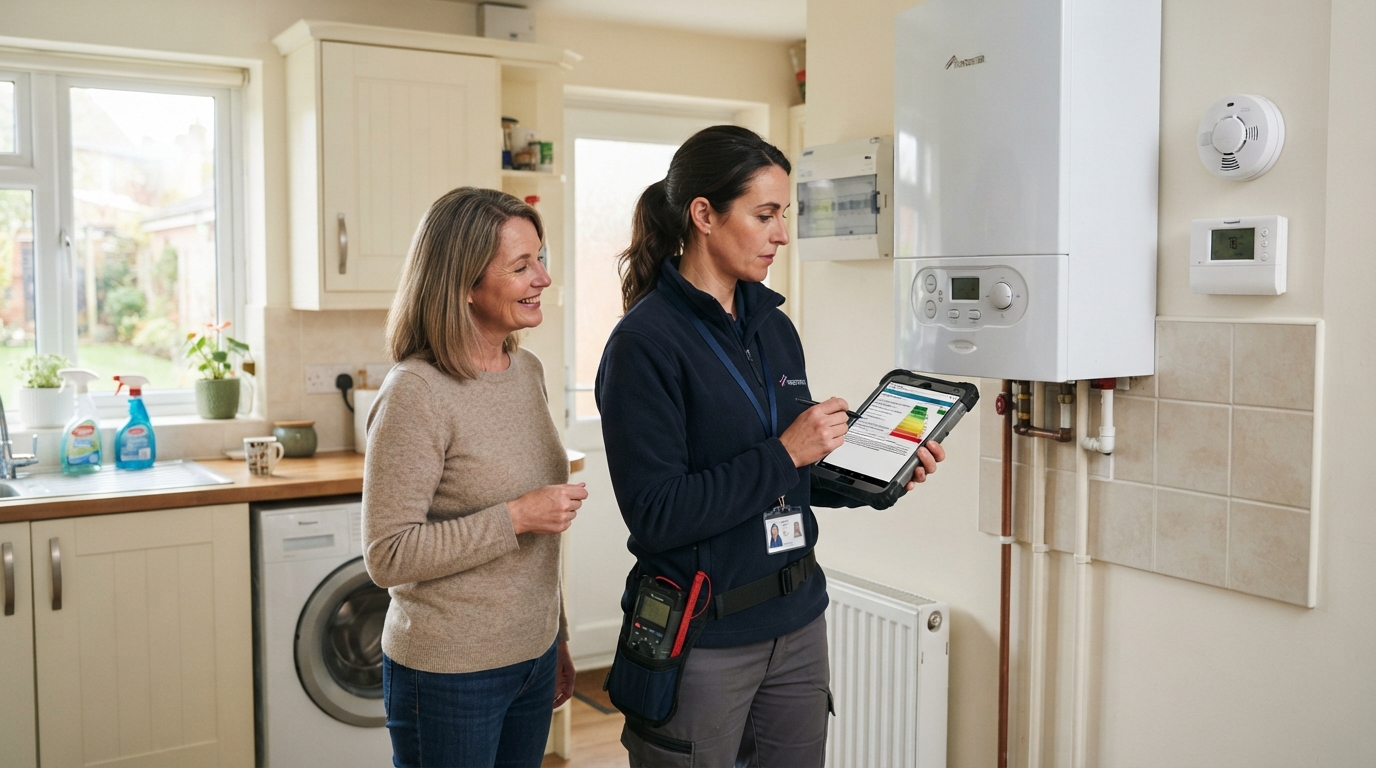
Need a new Energy Performance Certificate? This guide explains how to find an accredited EPC assessor, what to check before booking and how to prepare for a domestic or commercial assessment.
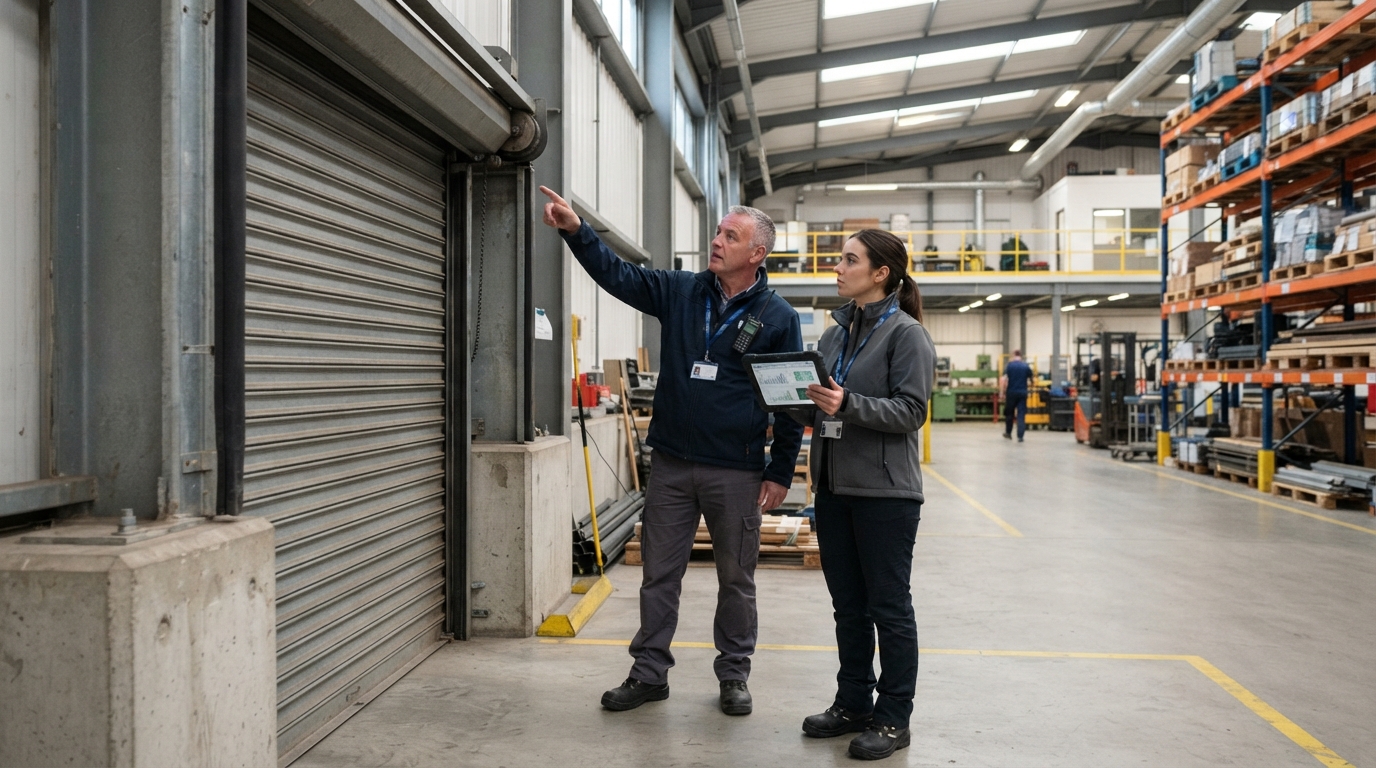
Industrial buildings can lose large amounts of heat through loading bays, roof junctions, service penetrations and uncontrolled airflow. This guide explains where energy may be escaping, what it could be costing your business and how professional testing helps you prioritise the right improvements.
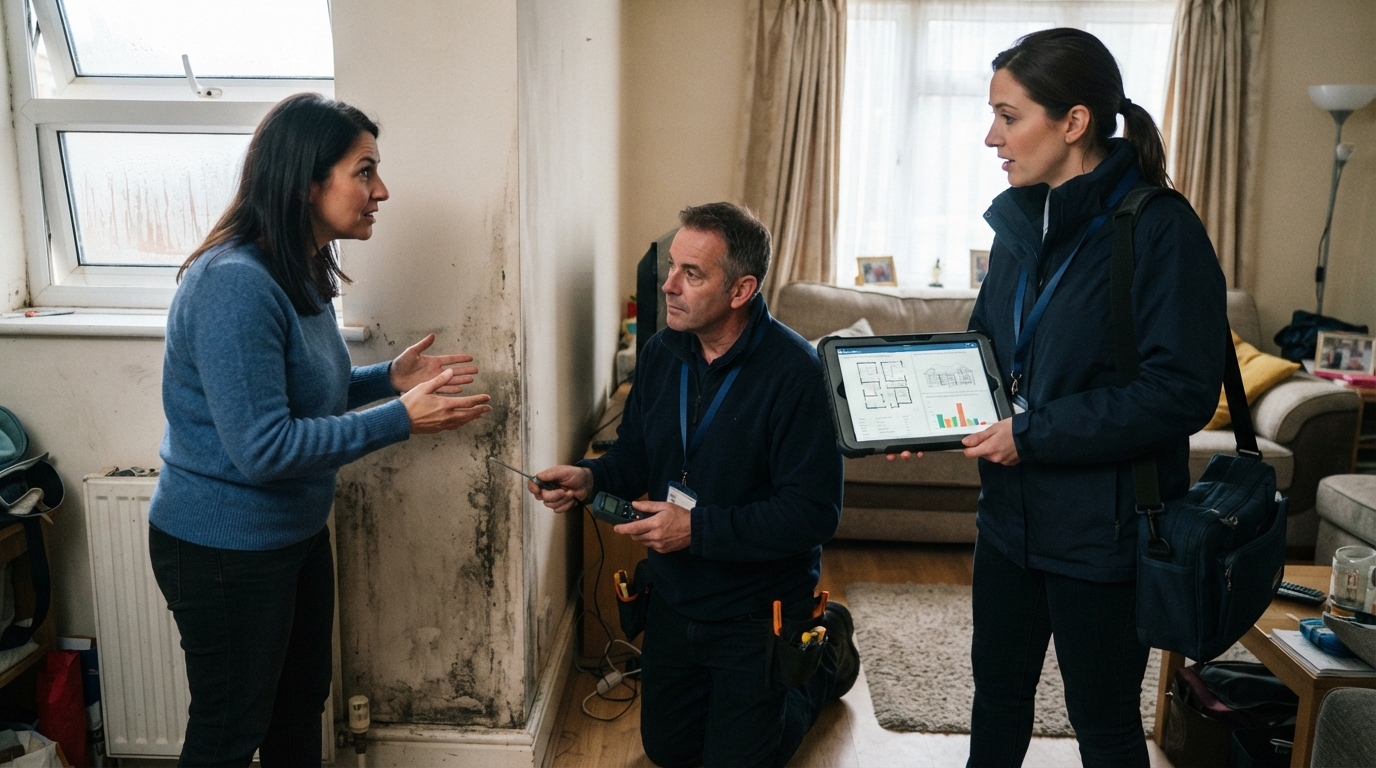
Awaab’s Law deadlines can begin as soon as your organisation becomes aware of a potential hazard. This practical workflow explains how social housing property managers can record reports, triage risk, coordinate investigations, manage repairs and build a clear evidence trail.
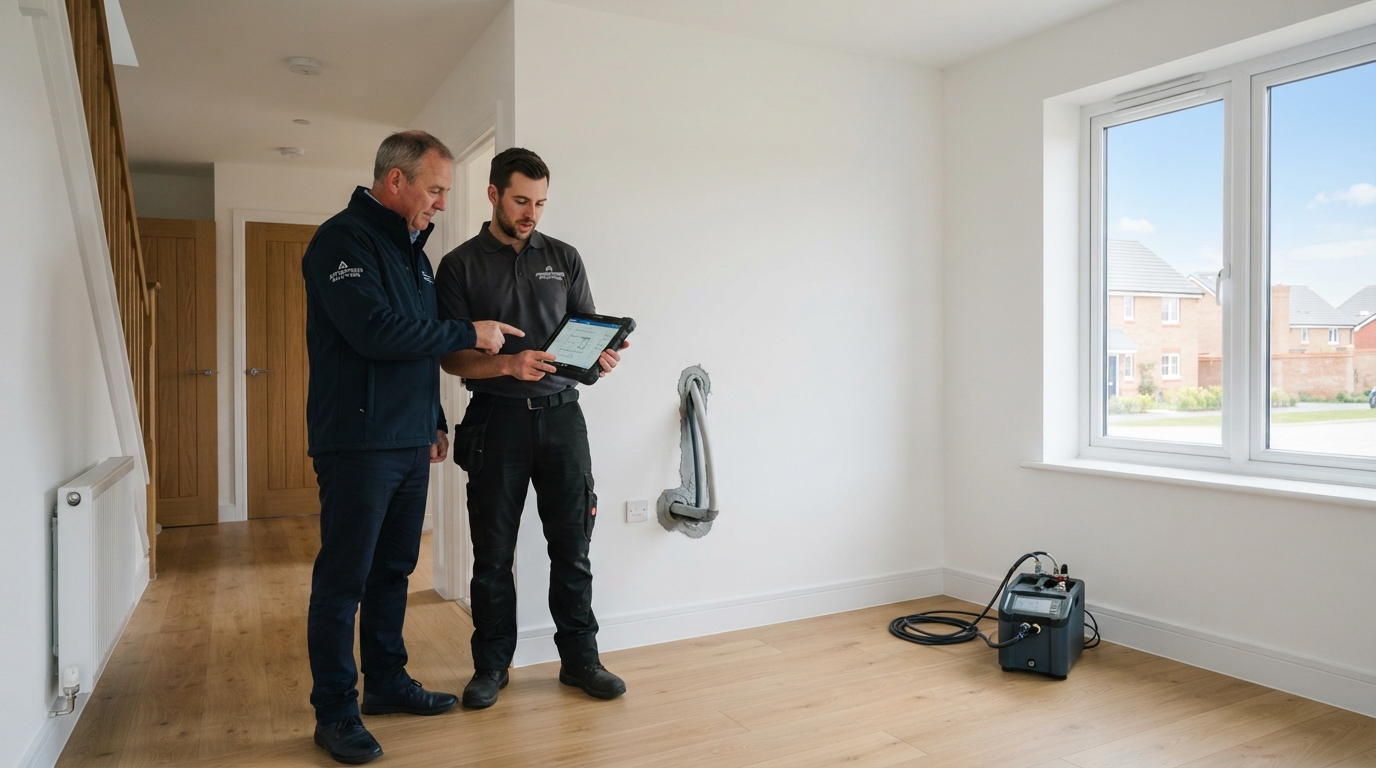
An air tightness test should not become a last-minute obstacle to sign-off. This practical site manager checklist covers what to finish, inspect and organise before the tester arrives, helping you reduce failed results, repeat visits and avoidable handover delays.

If one room in your home never seems to warm up, turning up the heating may not solve the problem. From hidden air leakage and insulation defects to cold bridging and ventilation issues, this guide explains what could be causing uneven temperatures and how to find the real source of the problem.