
You turn the thermostat up again. One room feels roasting, another still feels freezing, and by morning the whole house seems cold all over again.
At that point, it’s easy to assume the heating system isn’t working properly.
But in a lot of homes, the heating isn’t actually the problem.
The real issue is that the heat isn’t staying inside the building for long enough.
If your house always feels cold no matter what temperature the heating is set to, there’s usually a reason behind it. Heat can escape through hidden gaps, poorly insulated areas, weak points around floors and windows, or ventilation problems you’d never normally spot yourself.
That’s why you can end up with the heating running constantly while the house still feels uncomfortable.
It’s also why so many people searching how to reduce gas bill costs or how reduce electricity consumption feel like they’re spending more money every month without seeing much difference in comfort.
At AVT UK, we help homeowners identify where heat is escaping and why certain rooms never seem to warm up properly using thermal heat loss surveys, air tightness testing, and ventilation assessments.
Because until you know where the problem actually is, you’re stuck trying to fix it blind.
Why Your House Always Feels Cold Even with the Heating On
If your house always feels cold, it doesn’t automatically mean you need a new boiler or bigger radiators.
A lot of the time, the heating is doing exactly what it’s supposed to do. The problem is that your home is losing heat faster than it can hold onto it.
You might notice certain rooms cool down quickly once the heating switches off. Maybe the floors always feel cold underfoot, or there’s a constant draught near the windows even when everything is shut properly.
Those are usually signs that warm air is escaping somewhere in the property.
In some homes, the issue comes from hidden air leakage around loft spaces, floor junctions, service penetrations, or poorly insulated areas behind walls and ceilings. In others, ventilation problems create uncomfortable airflow that makes rooms feel colder than they should.
We regularly visit homes where the owner has already spent money replacing windows, upgrading insulation, or increasing heating usage — only for testing to reveal hidden heat loss somewhere else entirely.
That’s why services like air tightness testing and thermal heat loss surveys are so useful. They help you understand what’s actually happening in the building instead of relying on trial and error.
Why Cold Rooms Over Garages Are So Common
If you’ve got a cold room over garage space that never seems to warm up properly, you’re definitely not alone.
We see this issue all the time in newer homes, extensions, and converted properties.
The reason is usually quite simple. Garages are normally unheated spaces, so the room above is constantly sitting over a much colder area than the rest of the house.
If the insulation between the garage ceiling and the room above hasn’t been fitted properly — or has gaps and weak points — heat escapes through the floor very easily.
That’s why those rooms often feel colder than everywhere else, especially during winter.
A lot of homeowners try to compensate by turning the heating up higher in that room, but if heat is disappearing through the floor structure, the extra heating only helps temporarily.
This is where Heat3D thermal heat loss surveys can make a huge difference. Instead of guessing, you can actually see where heat is escaping and what’s causing the room to feel cold in the first place.
That means you can focus on fixing the real issue rather than wasting money on things that don’t solve the problem.
Do Window Draft Seal Products Actually Work?
Window draft seal products can definitely help if you’ve got noticeable draughts around frames or worn seals letting cold air in.
In some homes, sealing those smaller gaps can make rooms feel much more comfortable.
But this is where people often get frustrated.
You seal the windows, maybe even replace them completely, and the house still feels cold.
That’s because the visible draught isn’t always the main problem.
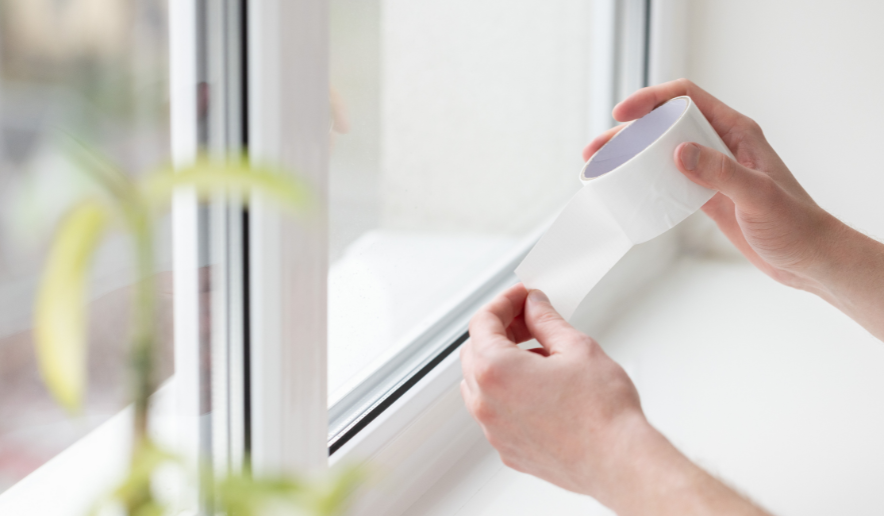
Warm air could still be escaping through loft junctions, flooring gaps, cavity weak points, poorly sealed penetrations, or hidden air leakage elsewhere in the building.Warm air could still be escaping through loft junctions, flooring gaps, cavity weak points, poorly sealed penetrations, or hidden air leakage elsewhere in the building.Warm air could still be escaping through loft junctions, flooring gaps, cavity weak points, poorly sealed penetrations, or hidden air leakage elsewhere in the building.Warm air could still be escaping through loft junctions, flooring gaps, cavity weak points, poorly sealed penetrations, or hidden air leakage elsewhere in the building.
We regularly speak to homeowners who’ve already spent money on insulation upgrades or replacement windows but still struggle with cold rooms and high heating bills afterwards.
That’s where proper building performance testing helps.
At AVT UK, we use thermal heat loss surveys and air tightness testing to identify where the property is genuinely losing heat so you can stop wasting money fixing the wrong areas first.
How To Reduce Gas Bill Without Freezing Your House
Most people trying to reduce gas bill costs start by turning the heating down.
The problem is, if your home loses heat too quickly, lowering the thermostat often just leaves you cold without properly reducing energy waste.
The bigger issue is usually how efficiently your home retains heat once it’s warmed up.
If warm air is constantly escaping through hidden leakage points or poorly performing parts of the building, your heating system has to keep working harder just to maintain temperature.
That’s where energy bills start creeping up.
In some homes, the issue isn’t just heat escaping. Poor ventilation balance can also make rooms feel colder, create uncomfortable airflow, and lead to condensation problems at the same time.
That’s why looking at the overall performance of the building matters so much.
A home that holds heat properly feels more comfortable naturally. You’re not constantly turning the thermostat up trying to compensate for heat that’s disappearing elsewhere.
If your heating bills feel higher than they should be and the house still feels cold, AVT UK can help you identify where the heat is actually going.
How to Reduce Electricity Consumption In Cold Homes
When people search how reduce electricity consumption, they usually focus on appliances first.
Things like lights, TVs, chargers, and kitchen appliances.
But in homes that struggle to retain heat properly, a lot of electricity use actually comes from trying to compensate for an uncomfortable building.
Portable heaters end up running constantly. Electric heating systems stay on longer. Dehumidifiers get used to manage condensation and damp air.
Over time, all of that adds up.
The problem is that if the real issue is hidden heat loss, uncontrolled airflow, or ventilation imbalance, none of those temporary fixes actually solve the cause of the problem.
That’s why building performance testing is so valuable.
At AVT UK, we help homeowners understand how their property is performing day-to-day using thermal heat loss surveys, ventilation assessments, and air tightness testing. Once you know where the heat is escaping, it becomes much easier to make informed decisions about what actually needs improving.
The Hidden Reasons Your House is Always Cold
One of the most frustrating things about heat loss is that most of it isn’t visible.
Your home can look absolutely fine on the surface and still perform badly underneath.
Fresh decoration doesn’t stop heat escaping. New flooring won’t fix hidden air leakage. And hot radiators don’t necessarily mean the building is holding onto warmth properly.
A lot of the most common problems sit behind walls, ceilings, floors, and junctions you’d never normally think about.
That’s why homeowners often end up stuck in the same cycle — turning the heating up, trying temporary fixes, still feeling cold, and still paying more than expected on energy bills.
Without proper testing, it’s very difficult to know where the issue actually starts.
This is exactly why services like thermal heat loss surveys, Heat3D surveys, air tightness testing, and velation assessments exist. They show you how your property is performing in real-life conditions instead of relying on assumptions.
How AVT UK Can Identify Why Your House Always Feels Cold
At AVT UK, we specialise in building performance testing designed to identify where heat is escaping and why your home doesn’t feel comfortable even when the heating is running.
Depending on the issue, we may recommend:
- Heat 3D thermal heat loss surveys
- Air tightness testing
- Ventilation assessments
- Building performance investigations
The aim is simple — to help you understand what’s actually happening in your home.
Instead of spending money replacing random things and hoping for the best, testing gives you clear information about where the problems are and what’s causing them.
That means you can make informed decisions, improve comfort properly, and avoid wasting money on fixes that don’t deal with the real issue.
Yes — thermal heat loss surveys are specifically designed to show where warmth is escaping from your property.
Using Heat3D thermal imaging technology, we can identify hidden heat loss areas that would normally be impossible to spot with the naked eye.
That could include poorly insulated areas, cold bridging, air leakage paths, or heat escaping around windows, floors, lofts, and structural junctions.
The biggest benefit is that you can identify the real problem before spending money on unnecessary upgrades or repairs.
For example, you might think your windows are causing the issue, only for testing to reveal that the real heat loss is coming from hidden leakage around loft junctions or insulation gaps elsewhere in the property.
At AVT UK, we use thermal heat loss surveys alongside air tightness testing and ventilation assessments to build a much clearer picture of how your home is actually performing.
If your house feels cold, certain rooms never warm up properly, or your heating bills seem higher than they should be, contact AVT UK and we’ll help you identify where the heat is really going.
Yes — hidden air leakage can have a huge impact on how much you spend heating your home.
If warm air is constantly escaping through gaps in the building, your heating system has to work much harder and stay on for longer just to maintain temperature.
That wasted heat quickly pushes energy bills higher.
Air leakage often happens around loft spaces, floor junctions, window frames, service penetrations, and other hidden weak points throughout the property. Most homeowners don’t realise how much warm air they’re losing because those areas usually aren’t visible.
If your home feels draughty, cools down quickly, or never quite feels comfortable even with the heating on, hidden air leakage could easily be part of the problem.
At AVT UK, our air tightness testing services help identify where uncontrolled airflow is happening so you can understand how the property is performing overall.
Combined with thermal heat loss surveys and ventilation assessments, this gives you a much clearer understanding of why your heating bills may be higher than expected.
Window draft seal products can definitely help with smaller draughts around frames and openings.
If cold air is getting in around worn seals or gaps, improving those areas can make a room feel noticeably more comfortable.
But many homeowners are surprised when the house still feels cold afterwards.
That’s because windows are often only one part of a much bigger heat loss problem.
Warm air may still be escaping through loft spaces, floor junctions, cavity weak points, or hidden air leakage elsewhere in the property. In some homes, ventilation problems or insulation gaps are actually causing more heat loss than the windows themselves.
At AVT UK, we regularly assess homes where replacement windows or draught-proofing haven’t solved the issue because the real problem was somewhere else entirely.
Thermal heat loss surveys and air tightness testing help identify where the building is genuinely losing heat so you can focus on fixes that will actually improve comfort and reduce energy waste.
A cold room over garage problem is incredibly common, especially in modern homes and extensions.
Because garages are usually unheated, the room above sits over a much colder space than the rest of the property. If the insulation between the garage and the room above isn’t performing properly, heat escapes through the floor very easily.
That’s why these rooms often struggle to stay warm and cool down quickly once the heating switches off.
A lot of people end up turning the heating up higher in that room or adding portable heaters, but if the floor structure itself is losing heat, those fixes rarely solve the actual issue.
At AVT UK, we use thermal heat loss surveys to show exactly where heat is escaping through the floor structure and surrounding areas. That helps you understand what actually needs improving before spending money unnecessarily.
If you’ve got a room over your garage that always feels freezing compared to the rest of the house, we can help you identify why. Get in touch today.
If your house always feels cold even when the heating is running, there’s usually an underlying building performance issue somewhere in the property.
A lot of homes lose heat much faster than people realise. Warm air escapes through hidden gaps around loft spaces, floors, windows, doors, and poorly insulated junctions. At the same time, cold air can leak back into the house, making rooms feel uncomfortable even when the radiators are hot.
Ventilation can also make a big difference. If airflow isn’t balanced properly, some parts of the house may feel draughty, cold, or difficult to heat consistently.
This is why turning the thermostat up often doesn’t solve the issue long-term.
At AVT UK, we use thermal heat loss surveys, Heat3D surveys, air tightness testing, and ventilation assessments to help you identify where heat is escaping and what’s causing the problem. Once you understand how the building is actually performing, it becomes much easier to fix the right issue instead of relying on temporary fixes.
If your home constantly feels cold and your heating bills keep climbing, contact AVT UK and we’ll help you work out what’s really going on.