
If you’re a landlord, damp and mould complaints can quickly become one of the most expensive and time-consuming issues you face.
The challenge is that by the time visible mould appears on a wall or ceiling, the conditions causing it have often been present for months. Moisture builds up gradually, ventilation problems go unnoticed, and tenants may not realise there’s an issue until the damage is already done.
Recent changes to legislation have increased the pressure on landlords to act quickly. Under Awaab’s Law, housing providers are expected to identify and address damp and mould hazards within strict timescales, making a reactive approach increasingly difficult to justify.
Whether you manage a handful of rental properties or a large housing portfolio, identifying damp and mould risk early is becoming essential for protecting residents, reducing maintenance costs, and maintaining housing compliance.
This is where Switchee can make a significant difference.
Why Damp & Mould Can Develop Without You Realising
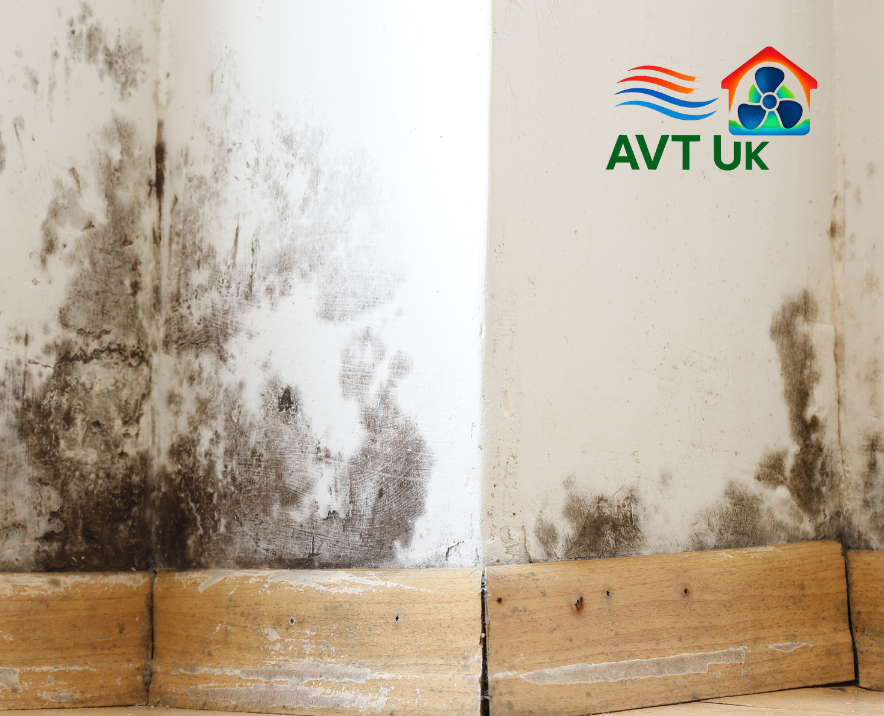
One of the biggest misconceptions about mould is that it is the problem.
In reality, mould is usually the result of something else happening within the property.
Common causes include:
- High humidity levels
- Poor ventilation
- Under-heating
- Excess condensation
- Poor thermal performance
- Hidden building defects
The problem for landlords is that most of these issues aren’t immediately visible.
You may not know a tenant is struggling to heat their home. You may not realise a bathroom fan isn’t performing properly. You may not see moisture building up behind furniture or in colder parts of a property.
By the time mould becomes visible, the underlying issue may have been affecting the property for a long time.
For both social housing and private housing providers, this creates a difficult situation. You need to identify problems before they become complaints, but traditional inspections only provide a snapshot in time.
How Air Quality Monitoring Helps Identify Damp & Mould Risk Earlier
Rather than waiting for a complaint or relying solely on periodic inspections, Switchee provides continuous air quality monitoring within occupied homes.
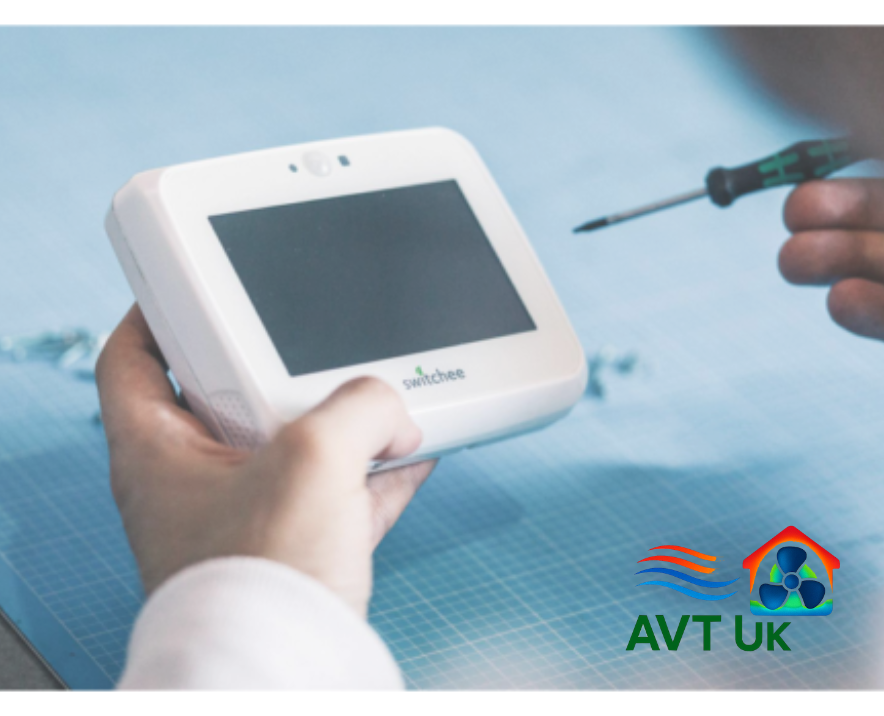
At the centre of the Switchee system is a smart thermostat designed specifically for housing providers and landlords.
The device continuously monitors environmental conditions within the property, including temperature, humidity and pressure.
This gives you a much clearer picture of how the home is performing day to day.
Instead of discovering problems after mould appears, you can identify patterns that suggest a damp and mould risk may be developing.
For example, consistently high humidity levels may indicate inadequate ventilation. Low temperatures may suggest residents are struggling to heat the property. Combined together, these factors can create the ideal conditions for condensation and mould growth.
The key advantage is that you’re no longer relying solely on tenant reports. You gain ongoing visibility into the conditions that contribute to mould before visible damage occurs.
How Smart Thermostats Help Identify the Cause of Damp & Mould in Rental Properties
Not all damp and mould problems have the same cause.
One property may be experiencing poor ventilation. Another may be suffering from excessive heat loss. A third may be affected by fuel poverty and under-heating.
Switchee helps you move beyond simply identifying a risk and towards understanding why that risk exists.
The platform analyses temperature, humidity and heating patterns to provide deeper insights into how each property is performing.
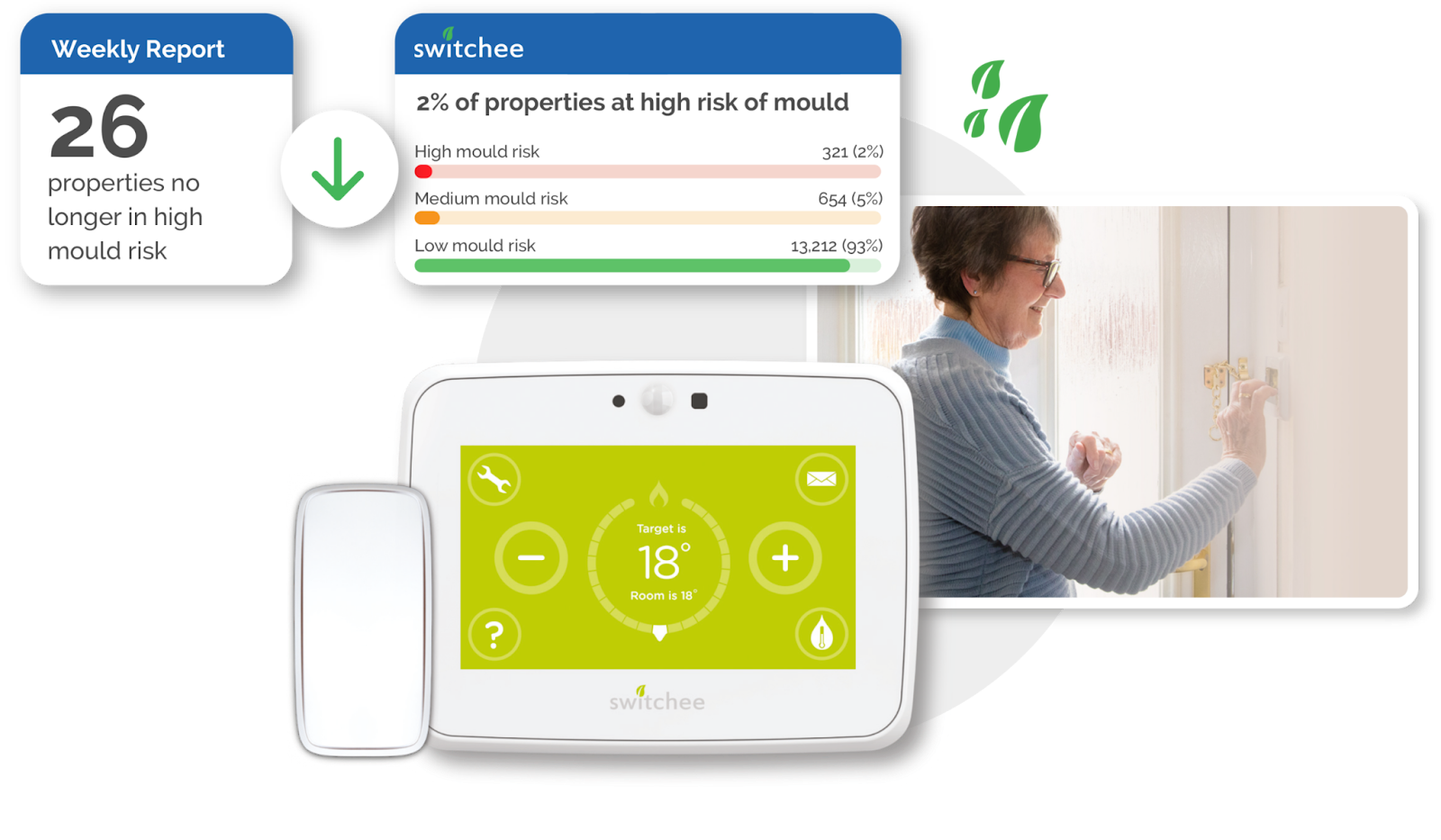
This allows landlords to prioritise the right intervention rather than applying the same solution to every home.
For example, if a property is consistently under-heated, additional insulation or resident support may be required. If ventilation is the issue, improving airflow could solve the problem before mould develops.
Having access to this level of information helps you make informed decisions and reduce unnecessary maintenance costs.
Why Heat Loss Rate (HLR), Thermal Performance & Energy Efficiency Matter
One of Switchee’s most valuable features is its ability to calculate Heat Loss Rate (HLR).
In simple terms, Heat Loss Rate (HLR) measures how quickly a property loses heat once the heating is turned off.
This provides valuable insight into a home’s thermal performance and overall energy efficiency.
Why does this matter?
Because properties that lose heat quickly are often more vulnerable to condensation and mould.
When internal surfaces become cold, moisture in the air is more likely to condense on walls, ceilings and windows. Over time, this creates the conditions needed for mould growth.
By monitoring Heat Loss Rate (HLR), landlords can identify homes that may require further investigation or improvement.
This is particularly useful for both social housing and private housing portfolios where property performance can vary significantly between buildings.
Rather than relying solely on design calculations or EPC ratings, Switchee provides information based on how the property is performing in real-world conditions.
How Switchee Supports Housing Compliance Under Awaab’s Law
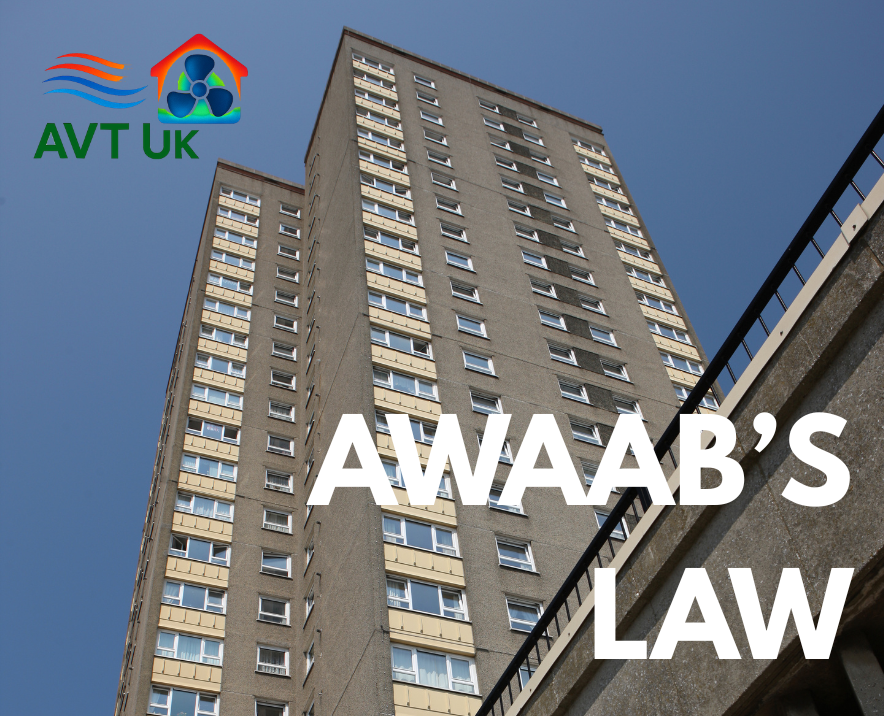
The introduction of Awaab’s Law has changed expectations around damp and mould management.
The focus is no longer simply on responding to complaints. Landlords are expected to identify risks, investigate issues quickly and take appropriate action.
This makes access to reliable property data more important than ever.
Switchee supports housing compliance by providing ongoing evidence of property conditions and highlighting homes that may require attention.
The Switchee system creates a clear record of environmental conditions and helps teams prioritise properties based on risk rather than waiting for issues to escalate.
For housing providers managing large portfolios, this can improve efficiency while demonstrating a proactive approach to compliance.
Instead of reacting to problems after they appear, you’re taking steps to identify and address damp and mould risk before residents are affected.
How Switchee Works Alongside AVT’s Building Performance Services
While Switchee provides valuable monitoring data, there are times when further investigation is needed.
That’s where AVT UK can help.
If monitoring identifies potential concerns around Heat Loss Rate (HLR), thermal performance, ventilation or energy efficiency, AVT can carry out detailed building performance assessments to identify the underlying cause.
This may include:
- Heat 3D Thermal Heat Loss Surveys
- Air tightness testing
- Ventilation testing
- Building performance investigations
Switchee helps you identify which properties need attention.
AVT helps you understand exactly why the issue is occurring and what needs to be done to resolve it.
Together, we provide a practical, evidence-based approach to preventing damp and mould problems.
Stay Ahead of Damp & Mould Risk with Switchee
Managing damp and mould effectively is becoming a key part of responsible property management.
Whether you’re responsible for social housing, private housing, or a mixed portfolio, identifying risks early can help you protect residents, reduce costs and maintain housing compliance.
By combining air quality monitoring, smart thermostat technology, Heat Loss Rate (HLR) analysis and thermal performance data, Switchee gives you visibility into how your properties are performing long after construction or refurbishment is complete.
Instead of waiting for complaints, you can identify issues earlier, prioritise interventions more effectively and take action before mould becomes a serious problem.
Stay Compliant. Spot Problems Early. Protect Your Properties.
Want to find out how Switchee can help you identify damp and mould risk early, improve energy efficiency and support compliance with Awaab’s Law?
Speak to AVT today about Switchee smart monitoring and discover how real-time property data can help you create healthier, safer homes.