
Air Tightness Testing for Developers and Housebuilders
If you’re running a build, you’ve got enough on your plate – deadlines, trades, inspections, and getting everything signed off without delays.
Air tightness testing is one of those things that often gets left until the end. And that’s usually when problems show up.
We work with developers and housebuilders to make sure your project meets Part L and Part F requirements first time – without last-minute stress, failed tests, or costly rework.
Avoid Failed Air Tests and Site Delays
A failed air tightness test isn’t just a box-ticking issue.
It can lead to:
- Delays to completion
- Extra costs fixing air leakage
- Pressure from building control
- Retesting and disruption to your schedule
By the time testing happens, most of the building is already finished. Plastering is done, second fix is complete, and access is limited.
That’s what makes failures expensive.
Common issues we see on site include:
- Gaps around windows and doors
- Poor sealing around service penetrations
- Incomplete insulation detailing
- Junctions that haven’t been finished properly
We help you get ahead of that, so you’re not chasing problems at the final stage.
Air Tightness Testing for New Builds
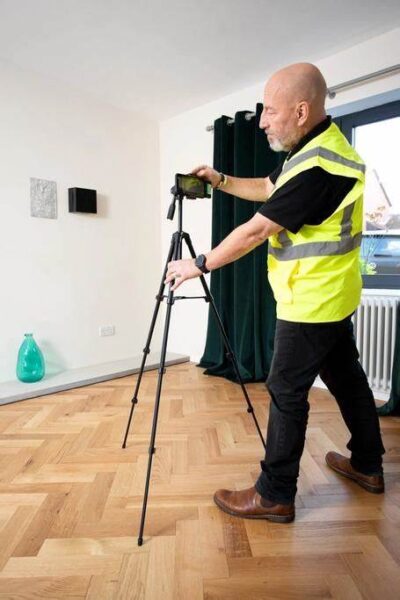
Air tightness testing — also known as an air permeability test — measures how much uncontrolled air is leaking through the building fabric.
This is a key requirement under Part L of the Building Regulations and is used by building control to confirm compliance.
Our testing helps you:
- Meet air tightness building regulations
- Achieve your required air permeability target
- Improve overall energy efficiency
- Avoid costly rework late in the project
We don’t just hand over a number. If something isn’t right, we’ll explain where air leakage is likely coming from and what needs to be done to fix it.
What Happens During an Air Tightness Test?
We set the building up using specialist fan equipment to measure how much air is leaking through the structure.
The process involves:
- Sealing intentional openings
- Installing calibrated testing equipment
- Pressurising and depressurising the building
- Measuring air leakage rates
This produces an air permeability result, which is then used to demonstrate compliance with Part L.
If the result is too high, the building fails — and that’s when delays, rework, and additional costs start to build up.
We keep everything clear and straightforward, so you understand what the result means and what to do next if improvements are needed.
When Is Air Tightness Testing Required?
Air tightness testing is required for most new builds to meet Part L (Conservation of Fuel and Power).
It’s typically carried out just before completion, when the building is close to handover.
That timing creates risk.
If issues are identified at this stage:
- Finishes may need to be opened up
- Access is more difficult
- Fixes take longer and cost more
We can provide guidance earlier in the build, helping you reduce the risk of failure and avoid last-minute surprises.
Ventilation Testing and Part F Compliance
Making a building airtight is only part of the picture.
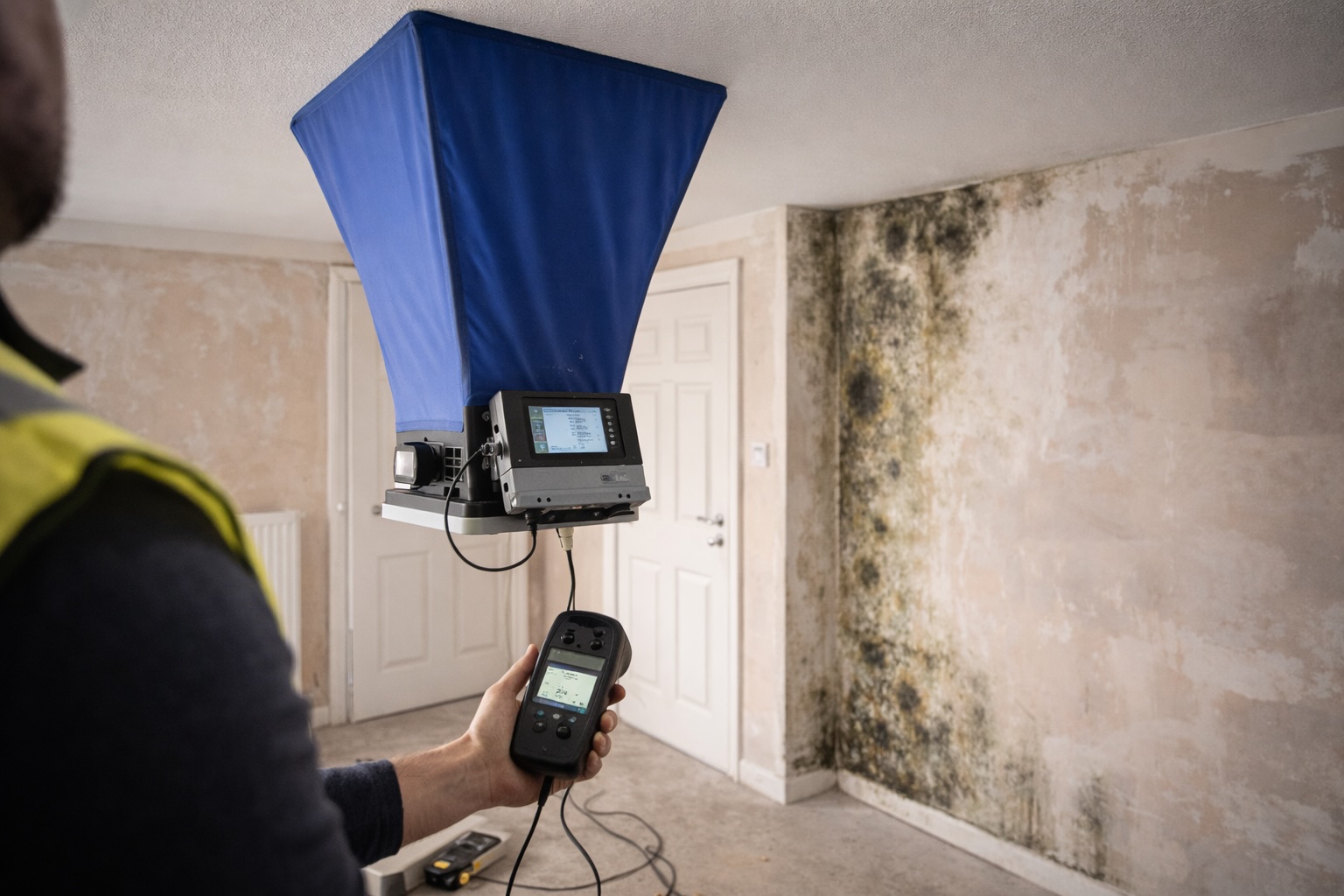
Without proper ventilation, you can create problems such as:
- Condensation build-up
- Damp and mould
- Poor indoor air quality
- Long-term issues for occupants
We carry out ventilation testing to ensure airflow meets Part F requirements and is working as intended.
This helps you achieve a balance – reducing heat loss while maintaining a healthy indoor environment.
Energy Efficiency Support for Developers
Passing the test is one thing. Making sure the building performs properly is another.
We support developers with practical energy efficiency advice throughout the build, including:
- Identifying where heat is being lost
- Highlighting areas that need improvement
- Recommending cost-effective changes
This helps ensure:
- Compliance with energy standards
- Lower running costs for occupants
- Fewer issues after handover
It’s not about over-engineering the build – it’s about getting the important details right.
Built Around How Sites Actually Work
We understand how construction sites operate.
Programmes change. Trades overlap. Deadlines shift.
So we keep things simple:
- Flexible scheduling to fit your build programme
- Clear, direct communication with site teams
- Straightforward advice you can act on
We don’t overcomplicate things or slow you down. We focus on helping you get the job finished and signed off.
Air Tightness Testing FAQs
Book Your Air Tightness or Ventilation Test
If you’ve got a project coming up – or one that’s already on site — we can help you get it signed off without delays.
Call 0161 706 1401 or send a message online – we’ll respond quickly and help keep your project moving.