
The Decent Homes Standard is already under pressure — and it hasn’t even been fully rolled out yet.
Recent reports suggest nearly half of rental properties could fail under the updated criteria. That’s a huge number.
But if you’re a landlord, the real question isn’t whether the policy holds up.
It comes down to this:
What do you actually need to do to make sure your properties meet it — and stay compliant?
Because the expectations are changing. And they’re not going away.
New Rules for Landlords: What’s Actually Changing?
You’ve probably seen the headlines around “new rules for landlords” — but in reality, it’s not one single change.
It’s a shift in how rental properties are judged.
At the centre of it is the Decent Homes Standard, which is being extended to the private rented sector. Alongside that, Awaab’s Law is tightening expectations around how quickly issues like damp and mould are dealt with.
Put simply, your obligations as a landlord are becoming clearer — and stricter.
You’re now expected to:
- Provide a property that is safe, warm, and in good repair
- Prevent issues like damp and mould, not just react to them
- Fix problems quickly when they arise
- Show that your property performs properly day-to-day
These aren’t new problems. But they are now being enforced in a way they haven’t been before.
Why So Many Rental Properties Fail the Decent Homes Standard
If nearly half of rental homes are expected to fail, it’s not because landlords don’t care.
It’s because a lot of the issues sit beneath the surface.
The most common reasons properties fall short include:
- Ongoing disrepair
- Poor thermal comfort
- Mould in rental property
- Ventilation that isn’t working as it should
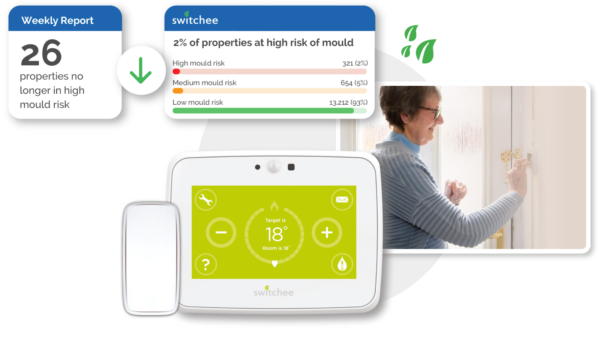
A property can look perfectly fine — freshly painted, clean, well presented — but still fail when it comes to how it actually performs.
That’s where the real problems start.
Your Obligations As a Landlord When It Comes to Mould In Rental Properties
Mould is one of the biggest pressure points right now.
With Awaab’s Law, the expectation is clear: if there’s a damp and mould issue, it needs dealing with quickly — and properly.
But here’s the problem.
Most mould issues aren’t caused by one single thing. They’re usually the result of:
- Poor ventilation
- Excess moisture
- Heating patterns
- Building performance
If you’re just cleaning it, repainting it, or sending someone round to “have a look”, you’re not solving it.
And that’s where your obligations as a landlord start to become harder to meet.
Because the expectation now isn’t just to fix the symptom — it’s to deal with the cause.

Why Ventilation Is at The Centre of the Decent Homes Standard
Ventilation plays a much bigger role than most people realise, and when it’s not working properly, problems tend to build up over time.
Too little airflow allows moisture to sit in the property, which is where mould starts. On the other hand, too much airflow pulls warm air straight out of the building, leading to higher heating costs and unhappy tenants.
This is one of the main reasons properties fail the Decent Homes Standard. It’s not always down to poor design — more often, it’s because the property isn’t performing as it should in real-life conditions.
Why Reactive Fixes Won’t Meet the New Rules for Landlords
A lot of landlords are still dealing with issues as they come up.
- Tenant reports mould → send someone out
- Wall gets damp → repaint it
- Property feels cold → increase heating or add insulation
The problem is, these fixes don’t deal with what’s actually causing the issue.
Over time, that means that the same problems keep coming back, costs start stacking up, and compliance becomes harder to prove.
Under the new rules for landlords, that approach is going to fall short. You need to understand what’s happening in your properties — not just respond when something goes wrong.
How Switchee and AVT Help You Stay Ahead of The Decent Homes Standard
Instead of relying on inspections or tenant complaints, more landlords are now looking at how their properties perform over time.
That’s exactly what Switchee is designed for, and this is where you start to get real clarity as a landlord.
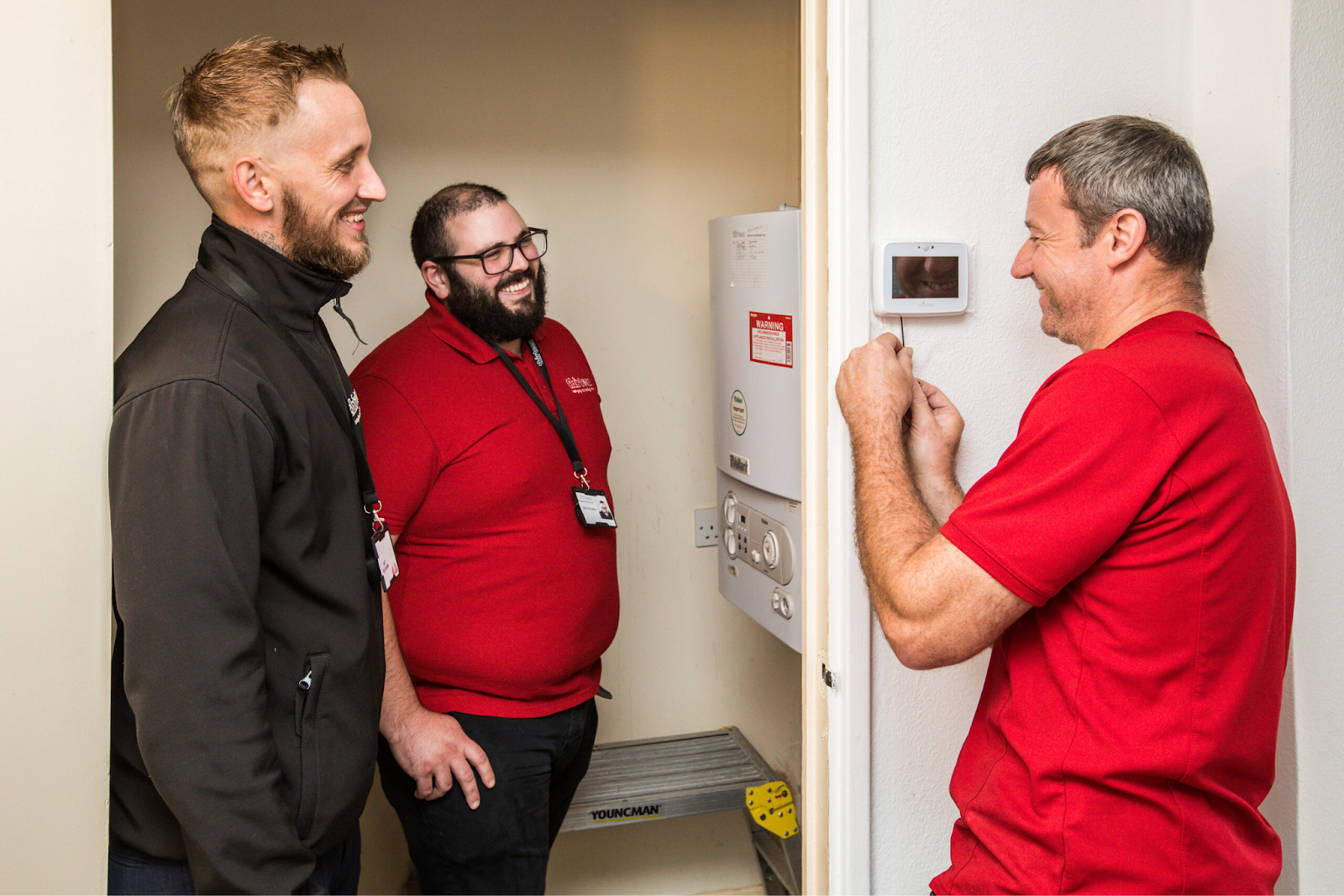
AVT UK can supply and install Switchee smart monitors in your properties, giving you a clear, ongoing picture of how they’re actually performing day-to-day.
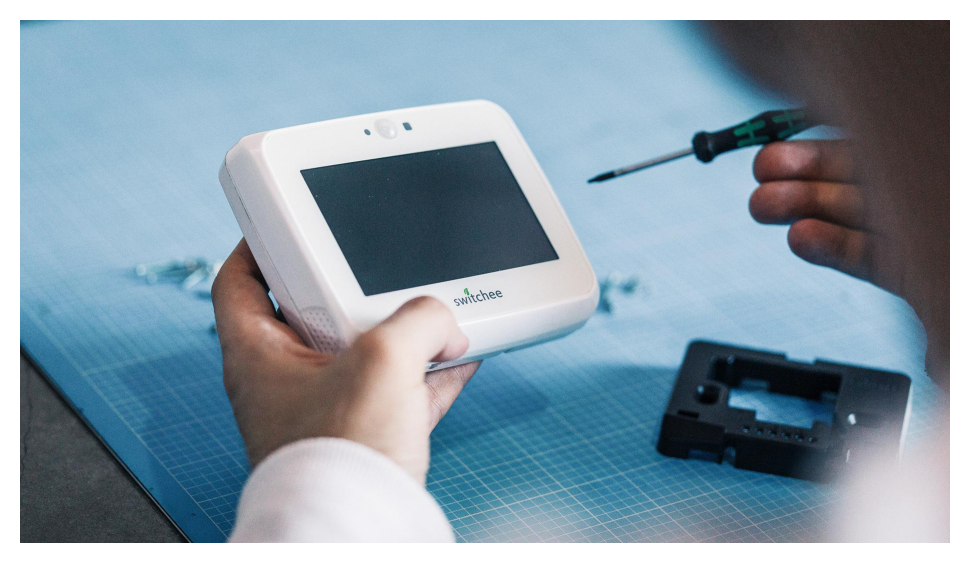
Switchee tracks temperature, humidity, and heating patterns throughout the property, building up a clear picture of how it’s performing over time.
Instead of relying on a one-off visit or what you can see on the surface, you’re able to spot patterns — like rooms that stay cold, moisture levels that creep up, or heating that isn’t being used as expected.
That’s what gives you a much clearer view of what’s actually happening inside the property, day to day.
For example:
- Is the property under-heated, or is there a ventilation issue?
- Is moisture building up over time?
- Is there a risk of mould developing before it becomes visible?
You’re not waiting for a complaint or reacting after the damage is done.
You’ve got real data showing you what’s happening — and where action is needed.
And because AVT also carries out ventilation testing and building performance assessments, we don’t just show you the problem — we help you understand what’s causing it and what needs to be fixed.
Meeting Your Obligations As A Landlord Without Wasting Money
Ignoring the rules isn’t the only risk for you right now as a landlord.
It’s spending money trying to meet them — without actually fixing the problem.
You could:
- Upgrade insulation
- Redecorate affected areas
- Replace extractor fans or upgrade ventilation systems
But if you’re not fixing the actual cause, you’ll likely be dealing with it again in a few months.
Understanding performance is what makes the difference.
It helps you avoid repeat issues, keep long-term costs down, stay compliant with the Decent Homes Standard, and meet your obligations as a landlord with confidence.
Stay Ahead Of The New Rules For Landlords
This isn’t something that’s going to ease off. Requirements are only getting tighter from here.
Stricter expectations. More accountability. Less room for reactive fixes.
If you want to stay ahead of the new rules for landlords, you need to understand how your properties are actually performing — not just how they look on paper.
That starts with:
- Proper ventilation testing
- Ongoing monitoring with smart monitoring systems like Switchee
- Identifying issues before they become costly problems
If you want a clear picture of what’s really going on in your properties, get in touch.
We’ll help you understand where you stand, what needs attention, and how to move forward — so you’re not constantly reacting after the fact.
You can give us a call on 0161 706 1401 or send us a message using our online contact form for a swift response.