
If you’ve opened your latest bill and thought, “that can’t be right,” you’re not imagining it.
More and more homeowners are asking the same thing: why is my energy bill so high?
Energy prices have gone up, yes. But here’s the part most people miss — two houses can use the same heating and still have completely different bills.
The difference usually comes down to how well the home holds onto heat.
This guide breaks the reasons for high energy bills down in plain English. We’ll show you what normal energy bills look like for comparison, and what might actually be driving your costs up.
Why Is My Electric Bill So High Right Now?
If your electric bill is high, it’s easy to assume you’re just using more electricity.
And sometimes that’s true. More time at home, more devices plugged in, more cooking — it all adds up. But there’s another layer to it.
If your home is losing heat, your systems work harder to keep it warm. That can mean:
- Heating systems running longer than they should
- Electric heaters being used more often
- Hot water systems working overtime
So even if your habits haven’t changed much, your usage can creep up without you even realising.
Why Is My Gas Bill So High Even Though I’m Careful?
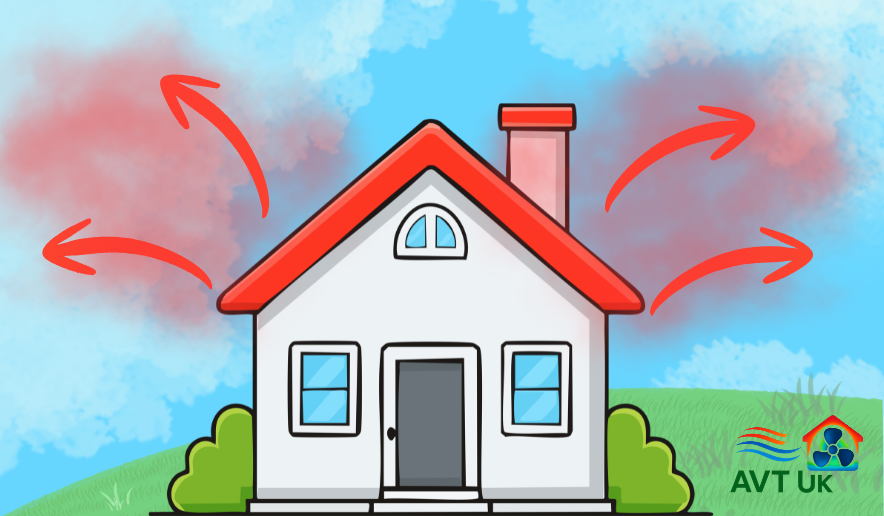
You’re being sensible with your heating. It’s not on all day, the thermostat isn’t set particularly high, and you’re making a conscious effort to keep costs down. And still… your gas bill is ridiculously high.
That usually points to one thing — your home isn’t holding onto the heat you’re paying for.
In a well-performing home, once the heating has done its job, the warmth should stick around for a while. The system can switch off and the temperature stays fairly stable.
But if heat is escaping, that doesn’t happen. The house warms up, then cools down much quicker than it should, so the heating has to keep kicking back in to bring the temperature up again.
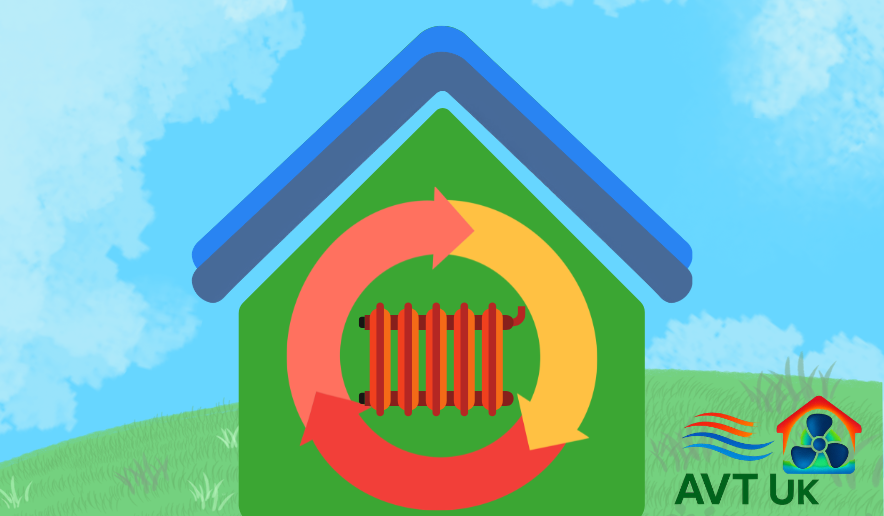
Over the course of a month, that really adds up.
Common causes include:
- Heat escaping through the roof or loft
- Poor insulation in external walls
- Gaps around windows, doors, and floors
- Draughts you can’t always see or feel
So even if nothing in your routine has changed, your heating system ends up working harder just to maintain the same level of comfort.
That’s why it can feel confusing. From your point of view, you’re doing everything right, but the cost keeps creeping up in the background.
It’s not always about using more gas. It’s about losing more heat.
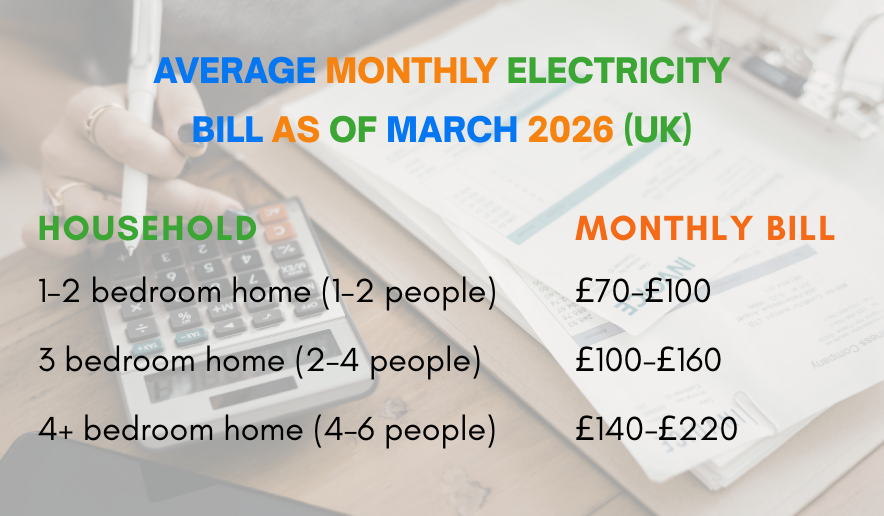
How Much Is The Average UK Electricity Bill Per Month?
If you’re trying to work out if your bill is “normal”, you’re not alone. It’s one of the most common questions homeowners are asking right now.
As of March 2026, with current UK energy prices, most households tend to fall within these ranges:
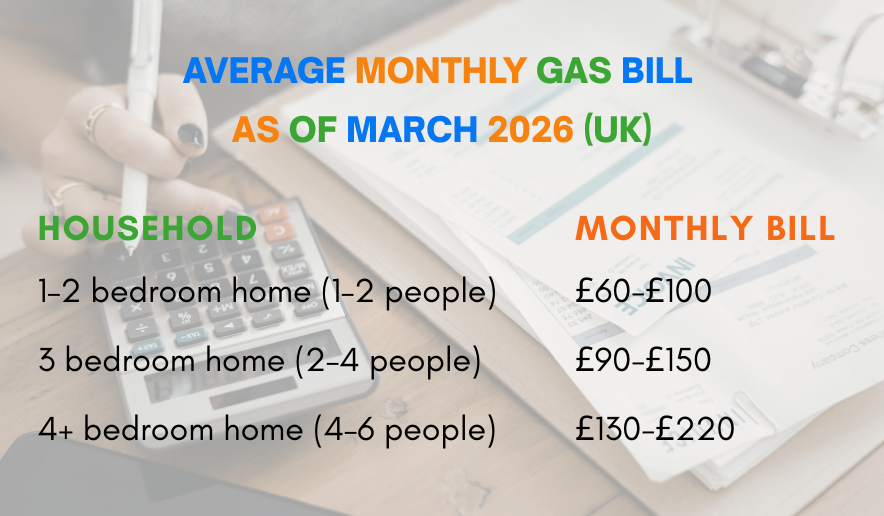
How Much is a Normal Gas Bill Per Month in the UK?
Gas bills tend to vary more throughout the year, especially in winter.
Here are some realistic averages based on current UK prices, so you can compare the amount you’re seeing on your latest gas bills:
These figures are based on typical usage — lighting, appliances, cooking, and some working from home.
Of course, every home is different. Your tariff, how often you’re at home, and how energy-efficient your property is will all have an impact.
But if your electricity bills are consistently above these ranges, it’s worth looking beyond day-to-day usage.
Because in many cases, the issue isn’t just what you’re using — it’s how hard your home is making your systems work.
In colder months, these figures can easily double — which is often when homeowners start questioning why their gas bill is so high.
But here’s the key point: Two homes with the same heating system and similar usage can have very different gas bills — simply because one holds onto heat better than the other.
If your bills feel high compared to these ranges, there’s usually a reason behind it. And more often than not, it comes down to how your home is performing, not just how much heating you’re using.
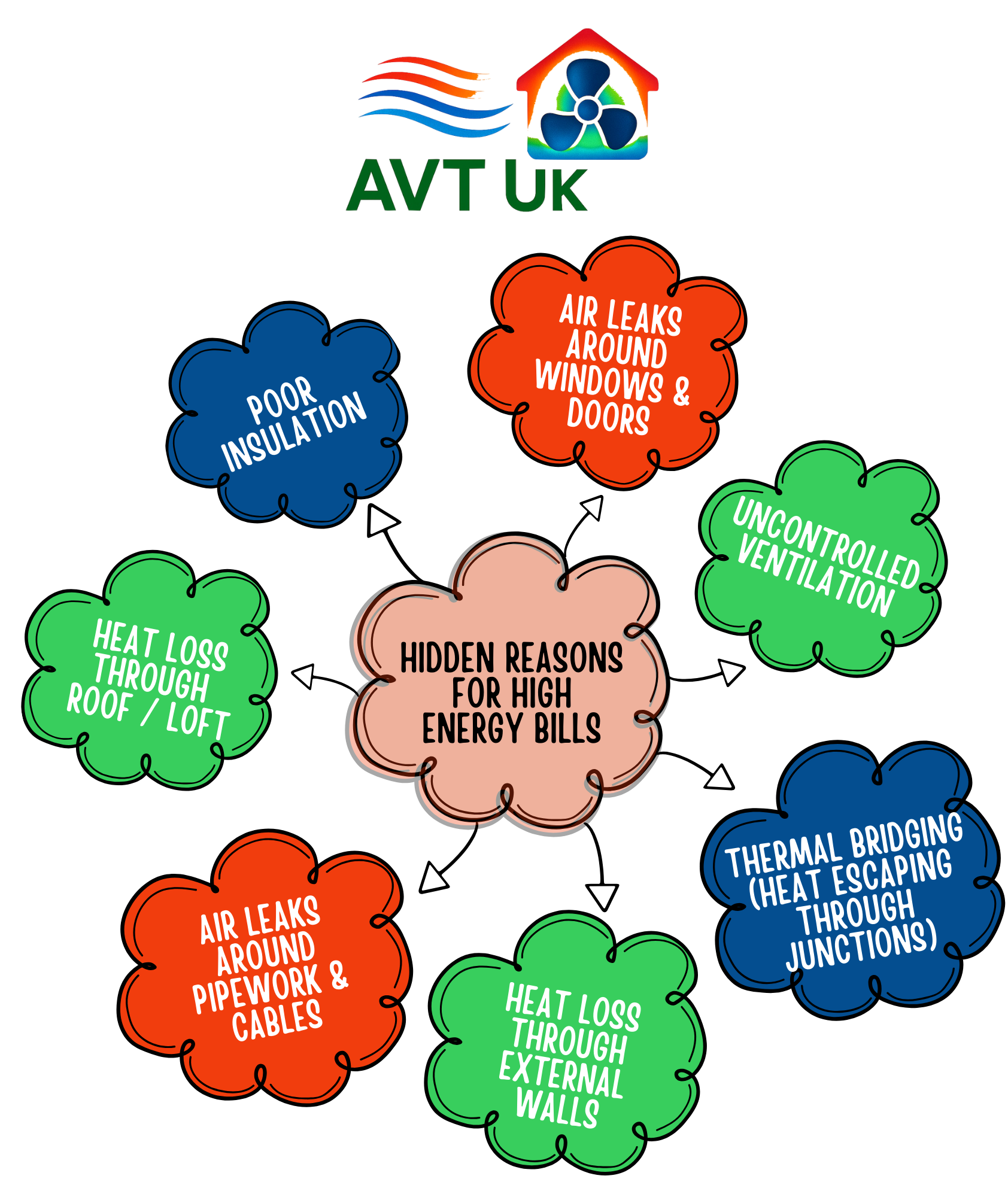
The Hidden Reasons Your Energy Bills Are So High
High bills aren’t always about usage. Often, they come down to how your home performs.
Some of the most common hidden causes include:
- Heat escaping through poorly insulated areas
- Air leaking through gaps and draughts
- Uncontrolled ventilation pulling warm air out
- Heating systems working harder to compensate
You might not always notice these issues day to day, but they’ll show up pretty clearly on your energy bills.
How To Reduce Electricity Consumption At Home
If you’re looking at how reduce electricity consumption, small changes do help:
- Switching off appliances properly
- Using energy-efficient lighting
- Avoiding standby power
- Running appliances efficiently
All of that makes a difference. But only up to a point.
If your home isn’t performing properly, those savings can quickly be cancelled out.
When heat escapes easily, your heating and hot water systems have to keep working to replace what’s being lost. That means they run for longer, switch on more often, and use more energy just to maintain the same temperature.
So even if nothing in your routine has changed, your usage can still creep up in the background.
If your electricity use still feels high despite being careful, it’s usually a sign there’s something happening behind the scenes — and that’s where it’s worth getting in touch with AVT UK to take a closer look at how your home is actually performing.
How To Reduce Gas Bill Without Turning The Heating Off
No one wants to sit in a cold house just to save money.
If you’ve been Googling, “How to reduce my gas bill,” the solution isn’t always just using less heating — it’s making the heating you’re using actually work.
That means keeping heat inside the home for longer, reducing draughts and air leakage, and stopping warm air from escaping as quickly as it’s produced.
When heat is lost easily, your heating system has to keep switching back on to replace it. The house warms up, then cools down faster than it should, so the system runs more often just to maintain the same temperature.
There are a few simple things you can do to help:
- Putting radiator foil behind radiators to reflect heat back into the room
- Sealing obvious draughts around doors, windows, and skirting boards
- Using draught excluders on doors
- Bleeding radiators so they heat properly
- Closing curtains in the evening to reduce heat loss through windows
These things can make a noticeable difference in the short term.
But if heat is escaping through the structure of the building — the roof, walls, or hidden gaps — these quick fixes will only go so far when it comes to lowering your gas bills.
Get that under control, and everything changes. The heat lasts longer, the system runs less frequently, and your gas usage naturally drops without you having to turn the heating down.
That’s where understanding how your home is performing makes a real difference. And that’s where we come in.
Why Fixing The Problem Properly Saves You Money in the Long-Term
There’s a big difference between managing energy use and fixing energy loss.
You can keep adjusting the thermostat, turning things off, and trying to cut back. And those things do help to a point. But if heat is escaping from your home, the underlying problem is still there — and the cost comes back with it, month after month.
That’s why some homes always seem harder to heat than others. It’s not just about how much energy you’re using, it’s about how much of it you’re actually keeping.
This is where proper testing makes a real difference.
- A thermal heat loss survey shows you exactly where heat is leaving your home — whether that’s through the roof, walls, windows, or specific problem areas you wouldn’t normally spot. Instead of guessing, you can see what’s actually happening.
- Air tightness testing looks at how much uncontrolled air is moving in and out of the property. Even small gaps and leakage paths can have a big impact, especially when they’re spread across the whole building. Using ultrasonic air leak detection, we can go a step further and pinpoint exactly where those leaks are coming from, so you’re not left trying to track them down yourself.
- Ventilation testing makes sure airflow is doing what it should in your home. Too much, and warm air is constantly being pulled out. Too little, and you can start to see issues like condensation, damp, and poor air quality.
The important part is this — once you understand where the problem is, you can fix the right thing, first time.
Without testing, it’s easy to spend money on upgrades that don’t actually solve the issue. More insulation in the wrong place, or new windows and doors when the real problem is air leakage around pipes and hidden gaps. Meanwhile, your heating costs never quite come down, because the underlying issue hasn’t been fixed.
It’s not about overcomplicating things or pushing unnecessary work. It’s about getting a clear picture of how your home is performing, so you can make informed decisions and stop the cycle of rising bills.
Still Wondering Why Your Energy Bills Are So High?
If your energy bills feel higher than they should be, there’s usually a reason.
And more often than not, it comes down to how your home is performing — not just how much energy you’re using.
At AVT UK, we help homeowners get a clear picture of what’s going on behind the scenes, so you’re not left guessing.
If you want to understand why your energy bills are so high — and what you can do about it — send us a message or give us a call on 0161 706 1401.
We’ll help you figure out what’s going on in your home, and which upgrades would make the most difference to your monthly outgoings.