
Air Tightness, Ventilation & Building Compliance Advice
This is where we share plain-English guidance on building performance, compliance, and energy efficiency — without the waffle.
Our blog covers the real issues we see on site every week, from air leakage and heat loss to ventilation, testing, and getting projects over the line without delays.
Whether you’re a builder, developer, retrofit professional, or a homeowner trying to understand what’s actually going on in your property, you’ll find clear explanations and practical takeaways here.
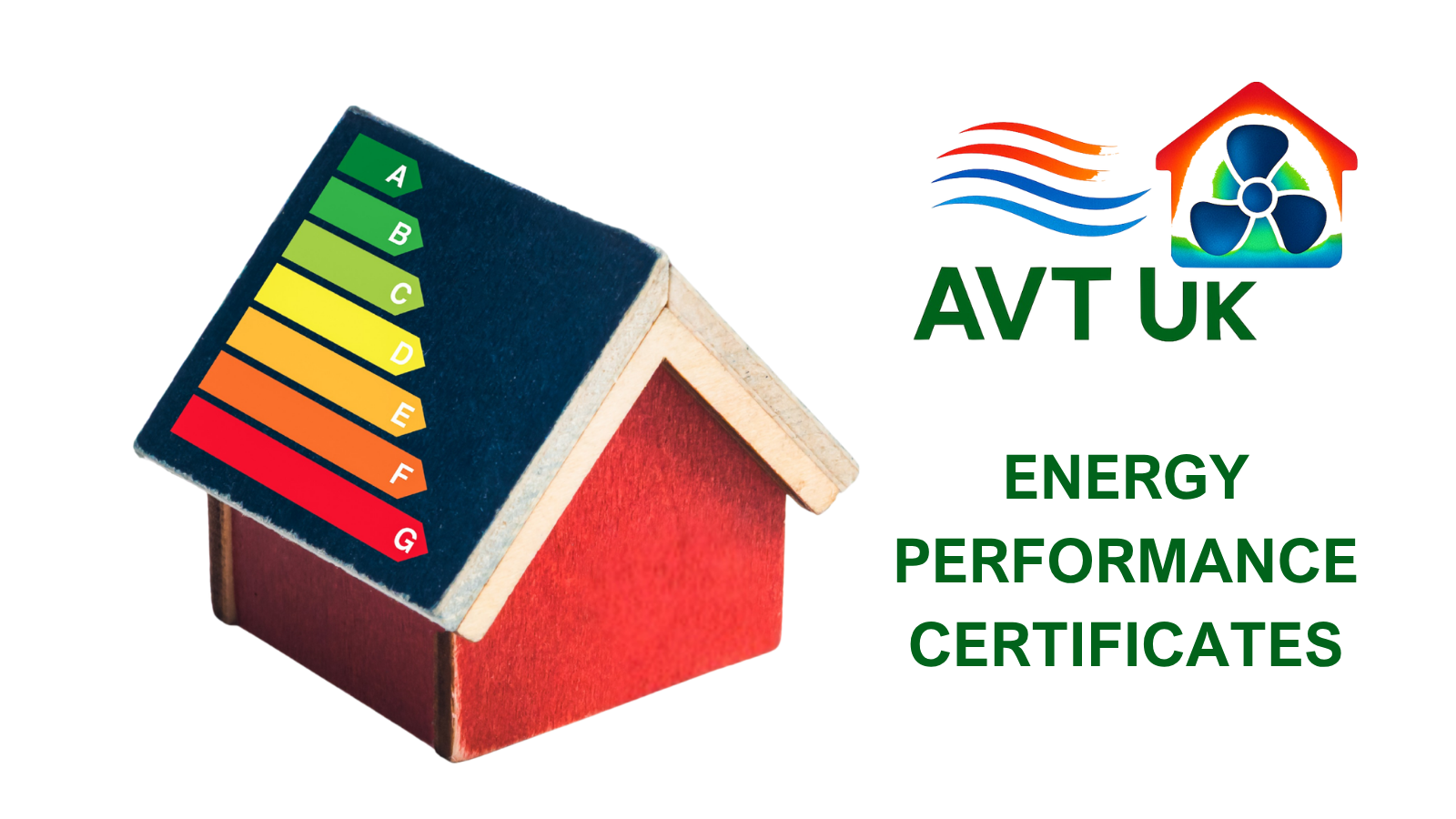
Nearly half of rental homes could fail the updated Decent Homes Standard - and expectations for landlords are tightening fast. This guide breaks down what the new rules for landlords actually mean, why so many properties fall short, and how issues like damp, mould, and poor ventilation are driving compliance risks. More importantly, it explains how to stay ahead without wasting money on the wrong fixes.
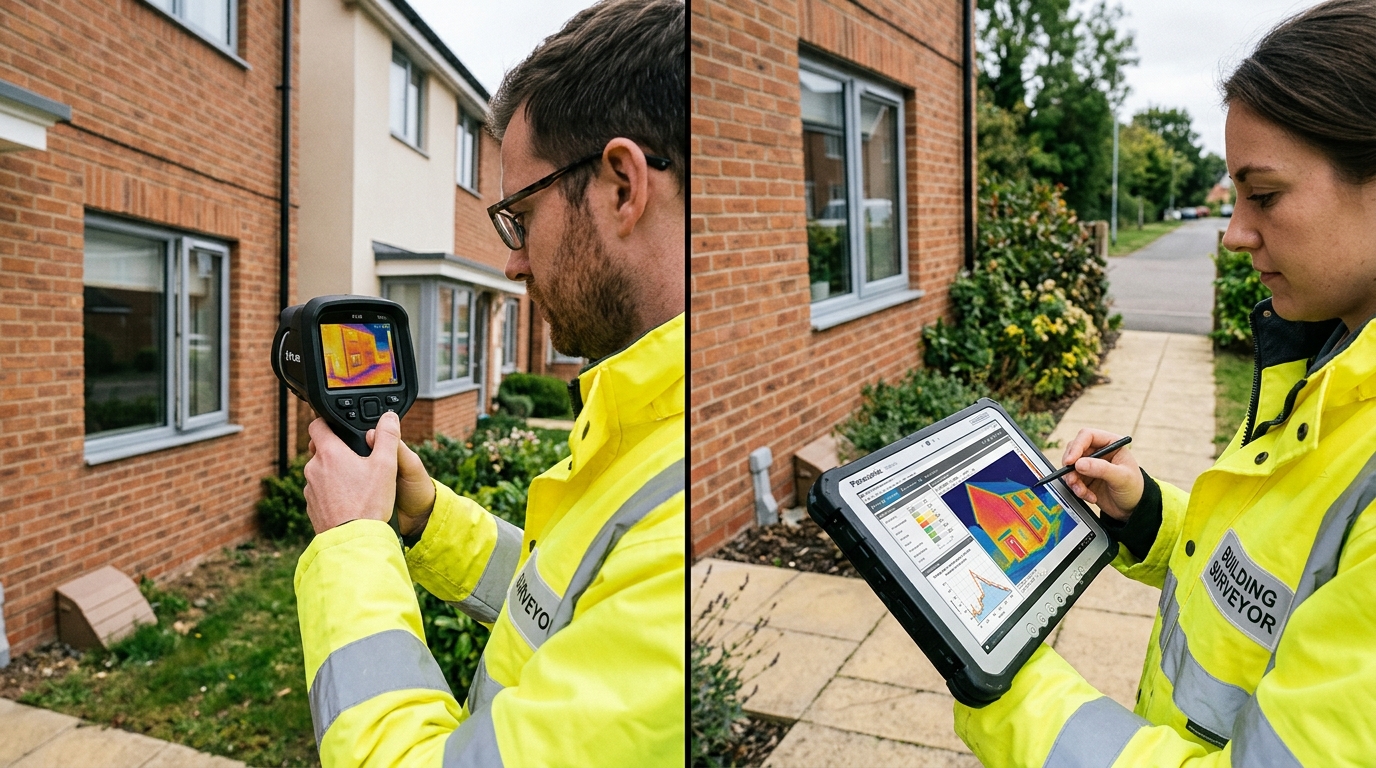
Heat3D and thermal imaging are often confused, but they aren't the same thing. This guide explains how each technology works, what they measure and which is best suited to improving a building's energy efficiency.
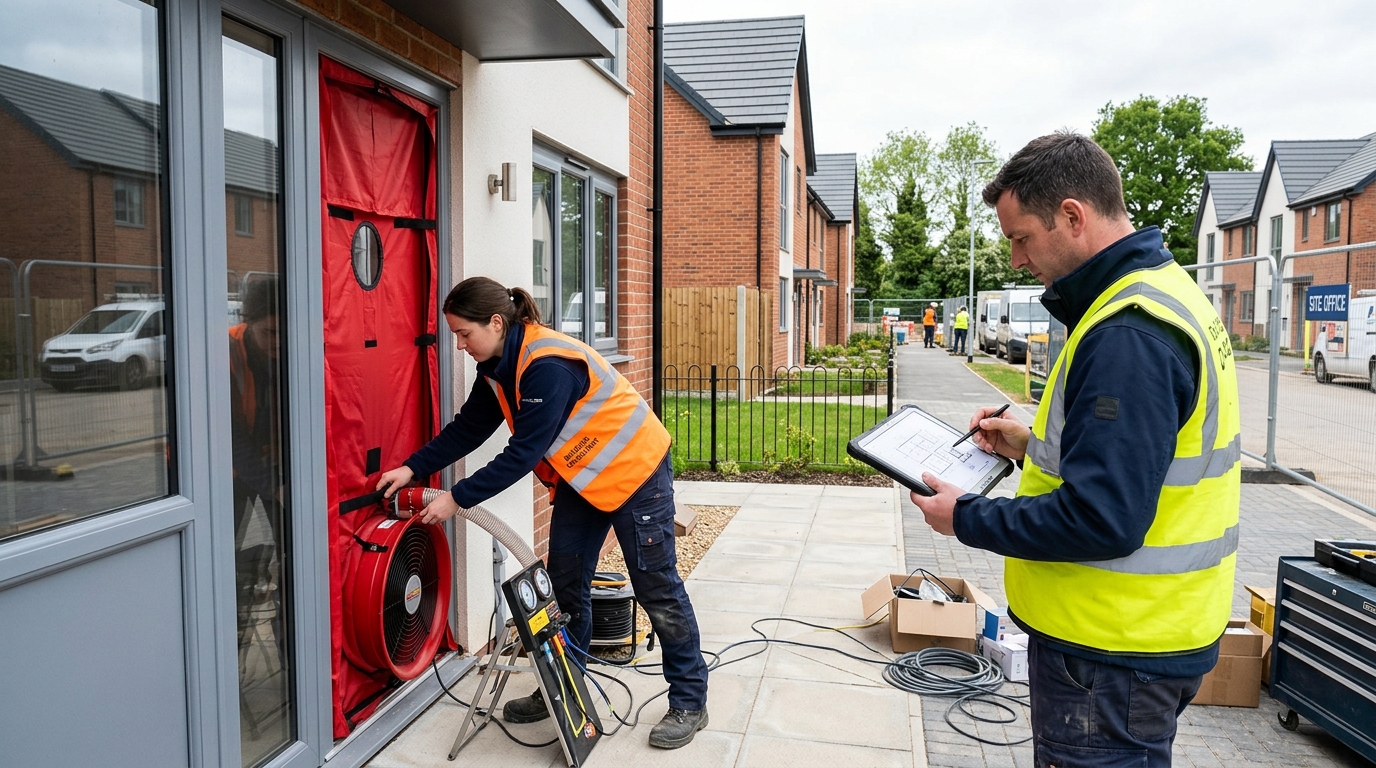
Hiring air tightness testing equipment can be a cost-effective option for some projects, but it isn't always the right choice. This guide explains when equipment hire makes sense, when using a specialist may be the better option, and how to decide what's right for your building.

Part L compliance affects every new-build project. This checklist explains the key tests, assessments and common mistakes that can delay sign-off, helping housebuilders keep projects moving.
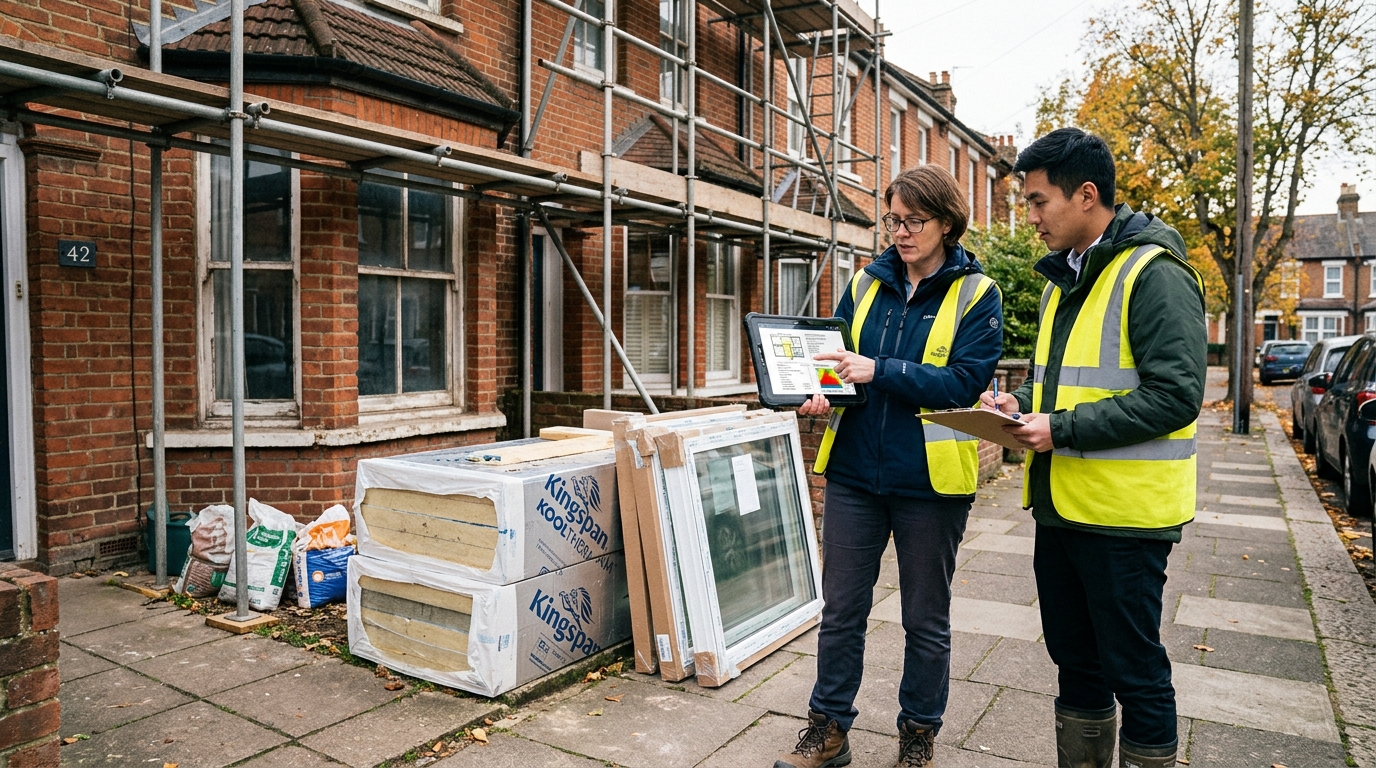
Planning a retrofit project starts with understanding how your building performs today. From Heat3D surveys and air tightness testing to ventilation compliance, this guide explains the key assessments that help identify problems early, improve energy efficiency and keep your project on track.
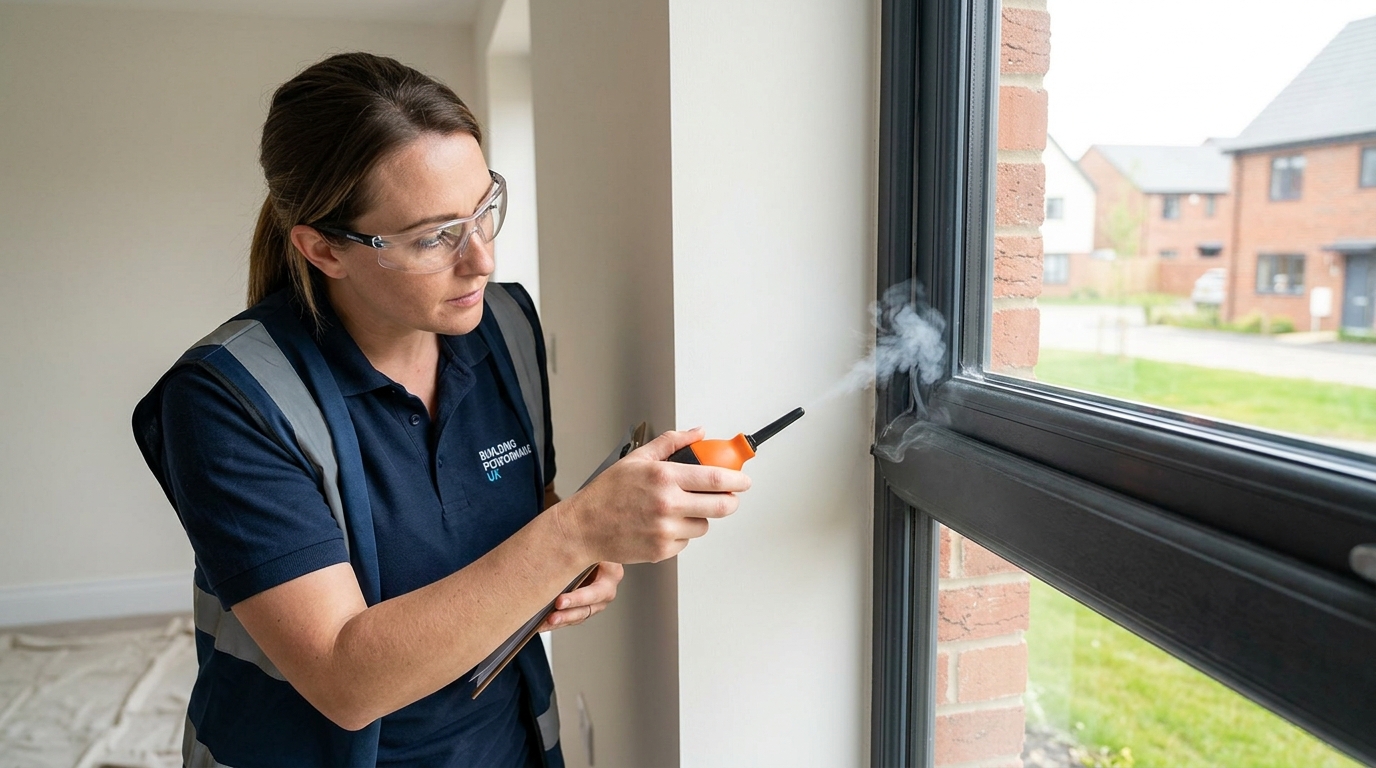
A failed air tightness test can cause delays, extra costs, and plenty of frustration. In this guide, we explain the most common reasons buildings fail, how leaks are identified, and the practical steps you can take to pass a retest.
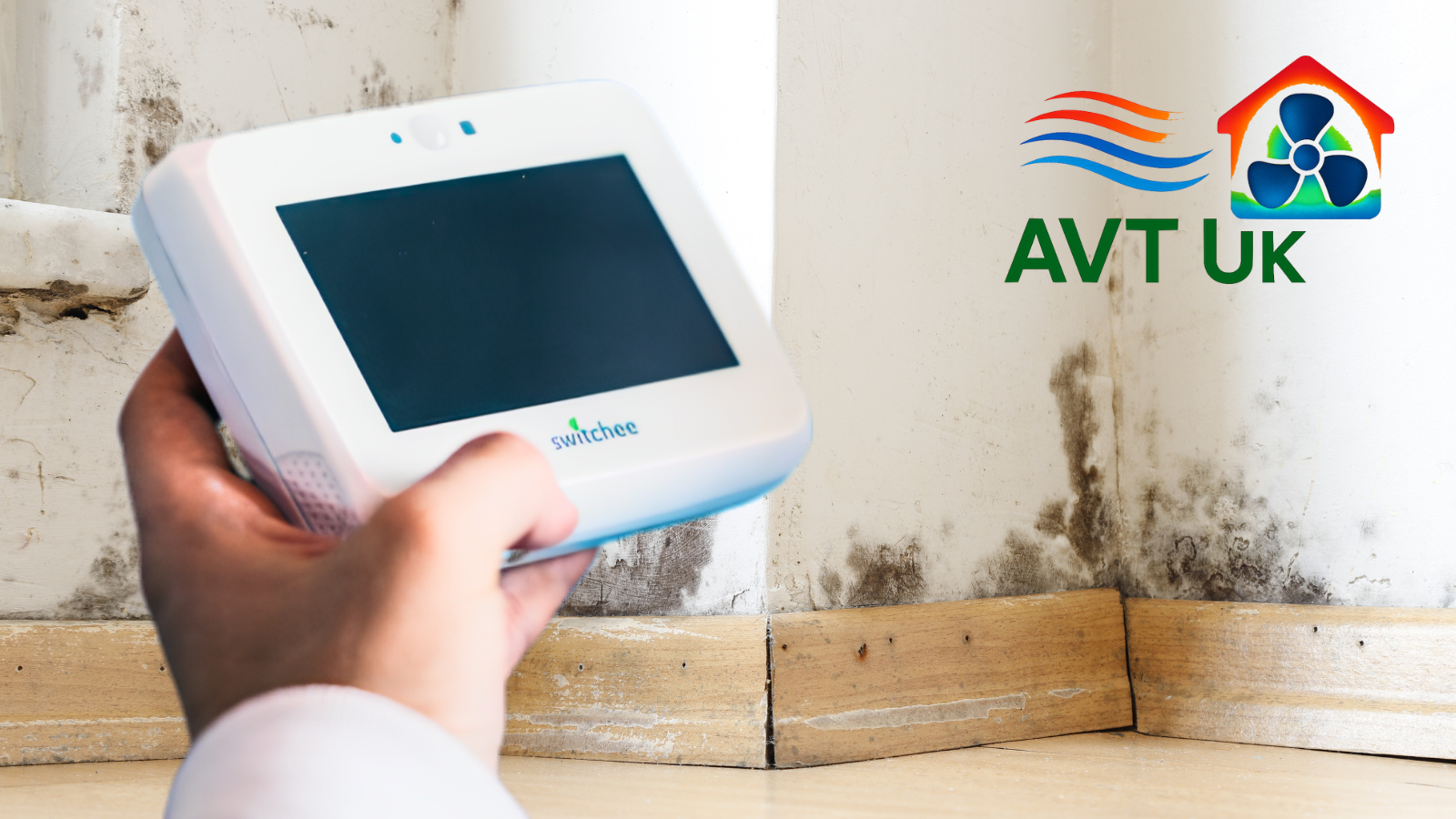
Nearly half of rental homes could fail the updated Decent Homes Standard - and expectations for landlords are tightening fast. This guide breaks down what the new rules for landlords actually mean, why so many properties fall short, and how issues like damp, mould, and poor ventilation are driving compliance risks. More importantly, it explains how to stay ahead without wasting money on the wrong fixes.
Nearly half of rental homes could fail the updated Decent Homes Standard - and expectations for landlords are tightening fast. This guide breaks down what the new rules for landlords actually mean, why so many properties fall short, and how issues like damp, mould, and poor ventilation are driving compliance risks. More importantly, it explains how to stay ahead without wasting money on the wrong fixes.
Nearly half of rental homes could fail the updated Decent Homes Standard - and expectations for landlords are tightening fast. This guide breaks down what the new rules for landlords actually mean, why so many properties fall short, and how issues like damp, mould, and poor ventilation are driving compliance risks. More importantly, it explains how to stay ahead without wasting money on the wrong fixes.