
Future Homes Standard: What It Really Means On Site
The Future Homes Standard is coming — and it is going to change how new homes are built in a very real, practical way.
What Is The Future Homes Standard?
If you are a developer, builder, contractor, retrofit team or M&E installer, this is not something to leave until the last minute. Once the new standards fully take hold, Building Control will not just want to see what has been specified.
They will want evidence that the home actually performs as it should.
The Future Homes and Buildings Standards are designed to reduce carbon emissions from new homes in England.
In simple terms, new homes will need to be built to a much higher energy performance standard.
Why The Future Homes Standard Matters For Builders And Developers
The Future Homes Standard is not just about design documents. It will affect how homes are built, checked and signed off.
For builders and developers, the pressure points are likely to be:
- Meeting tighter Part L energy requirements
- Reducing uncontrolled air leakage
- Making sure insulation is continuous and correctly installed
- Managing thermal bridging
- Balancing air tightness with proper ventilation
- Providing clear evidence for Building Control
This is where early testing and proper reporting make a real difference.
Leaving checks until the end of the build can lead to failed tests, rushed remedial work, delayed handovers and extra cost. Testing earlier gives you time to find issues while they are still easier to fix.
Air Tightness Will Become Even More Important
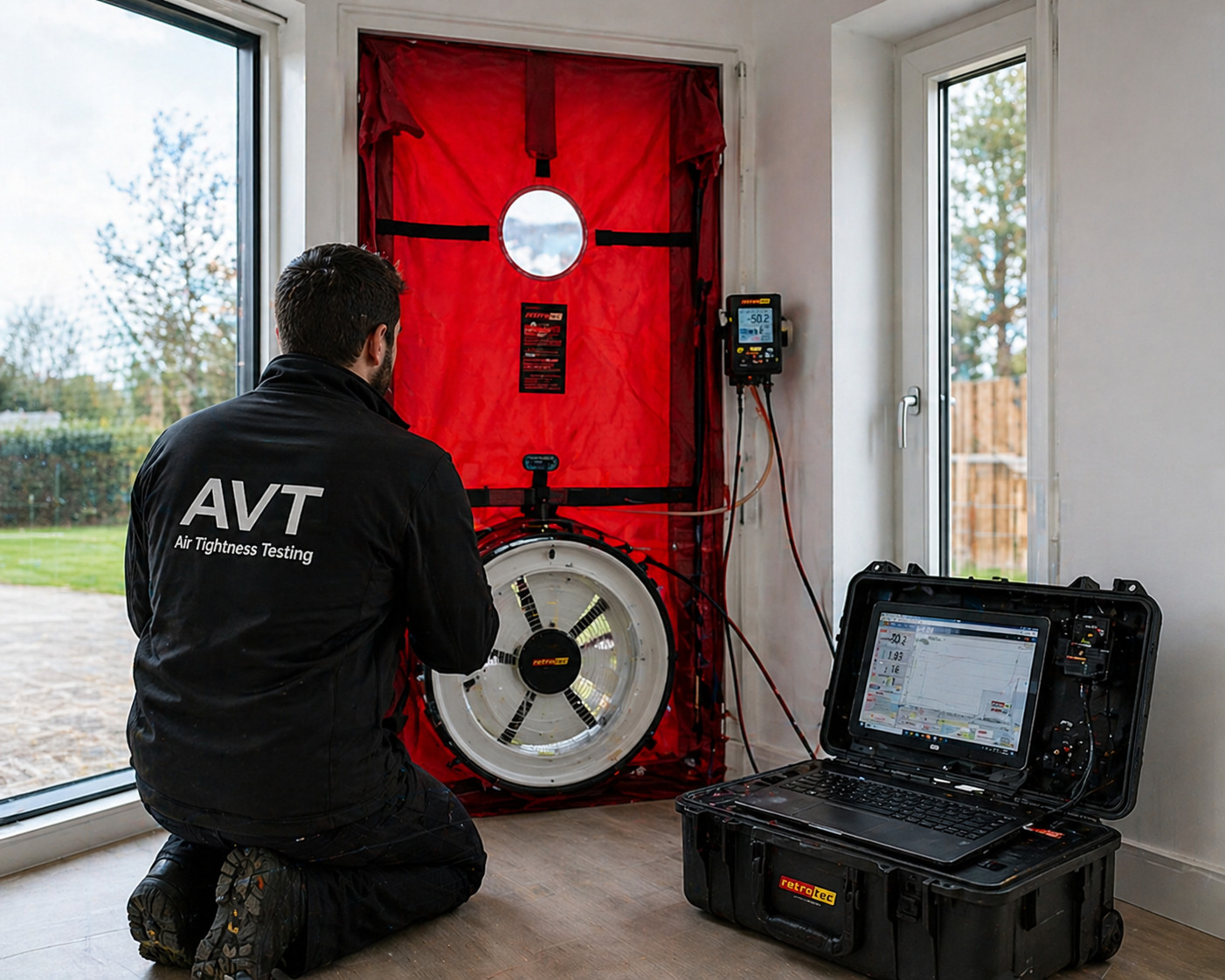
Air tightness is already a key part of new build compliance. Under tighter standards, it becomes even more important.
Poor air tightness means warm air escapes through gaps, cracks and poorly sealed details. That affects energy efficiency, comfort, heating demand and compliance.
Common problem areas include:
- Service penetrations
- Window and door frames
- Loft hatches
- Floor and wall junctions
- Pipework and cable routes
- Poorly sealed membranes
AVT UK provides professional air tightness testing for new builds and existing properties. We use fast, reliable testing methods to help identify uncontrolled air leakage and support compliance with Building Regulations.
This is not just about getting a certificate at the end. It is about knowing where your building stands before small issues become expensive ones.
Ventilation Cannot Be An Afterthought
As homes become more airtight, ventilation becomes critical.
A well-sealed home needs controlled airflow. Without it, you can end up with poor indoor air quality, condensation, damp, mould and comfort issues.
Approved Document F covers ventilation requirements in England. For builders, developers and installers, this means ventilation systems need to be properly specified, installed, tested and commissioned.
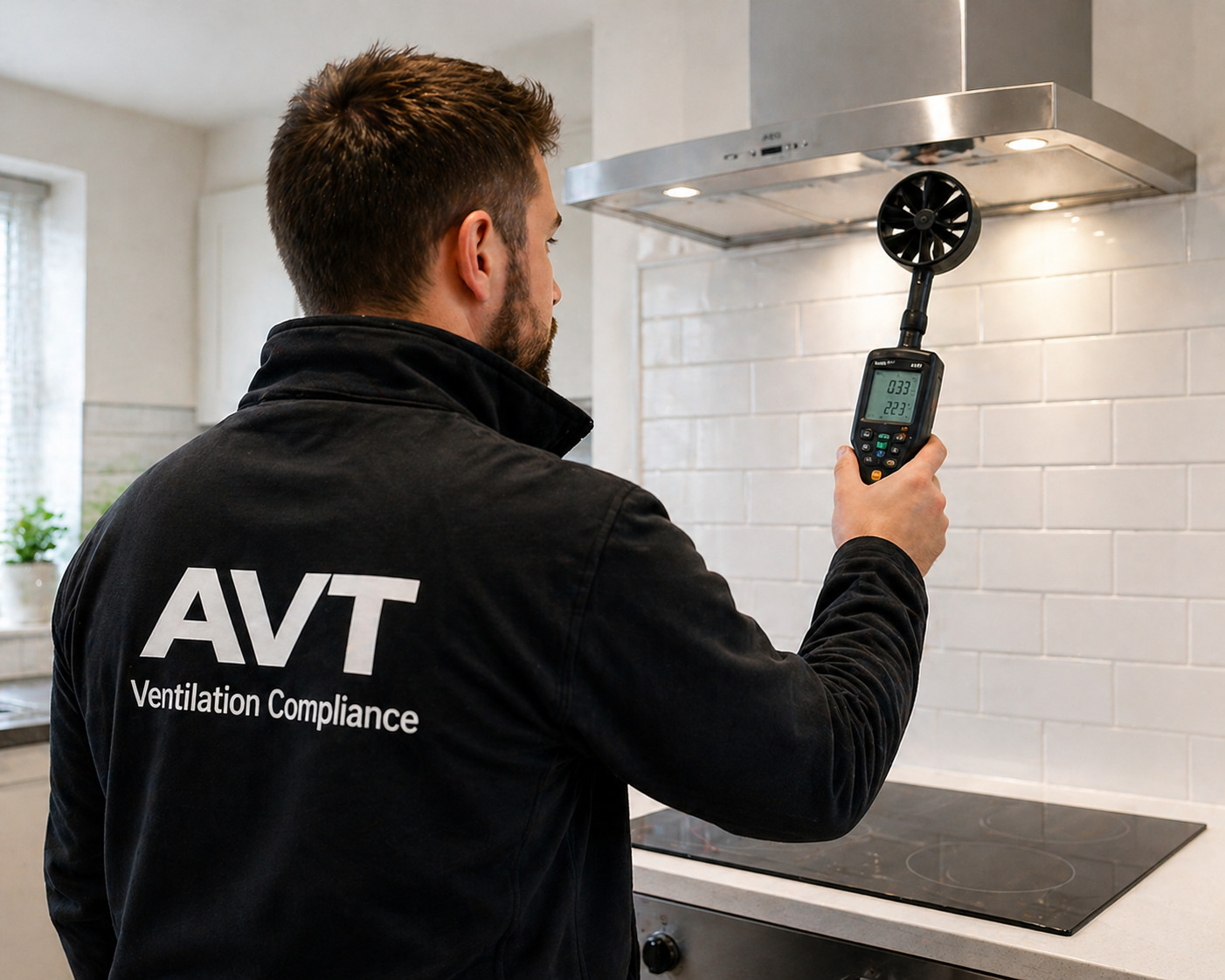
AVT UK provides ventilation compliance and background ventilation assessments to check whether the correct airflow is being delivered.
We help confirm whether systems are working as intended, so you are not relying on paperwork alone.
Energy Performance Needs To Be Proven In The Real World
The Future Homes Standard is part of a wider move towards better building performance. That means the gap between design and real-world results will come under more scrutiny.
A home might look right on paper, but still lose heat through weak points in the fabric. This can affect heating demand, running costs and comfort.
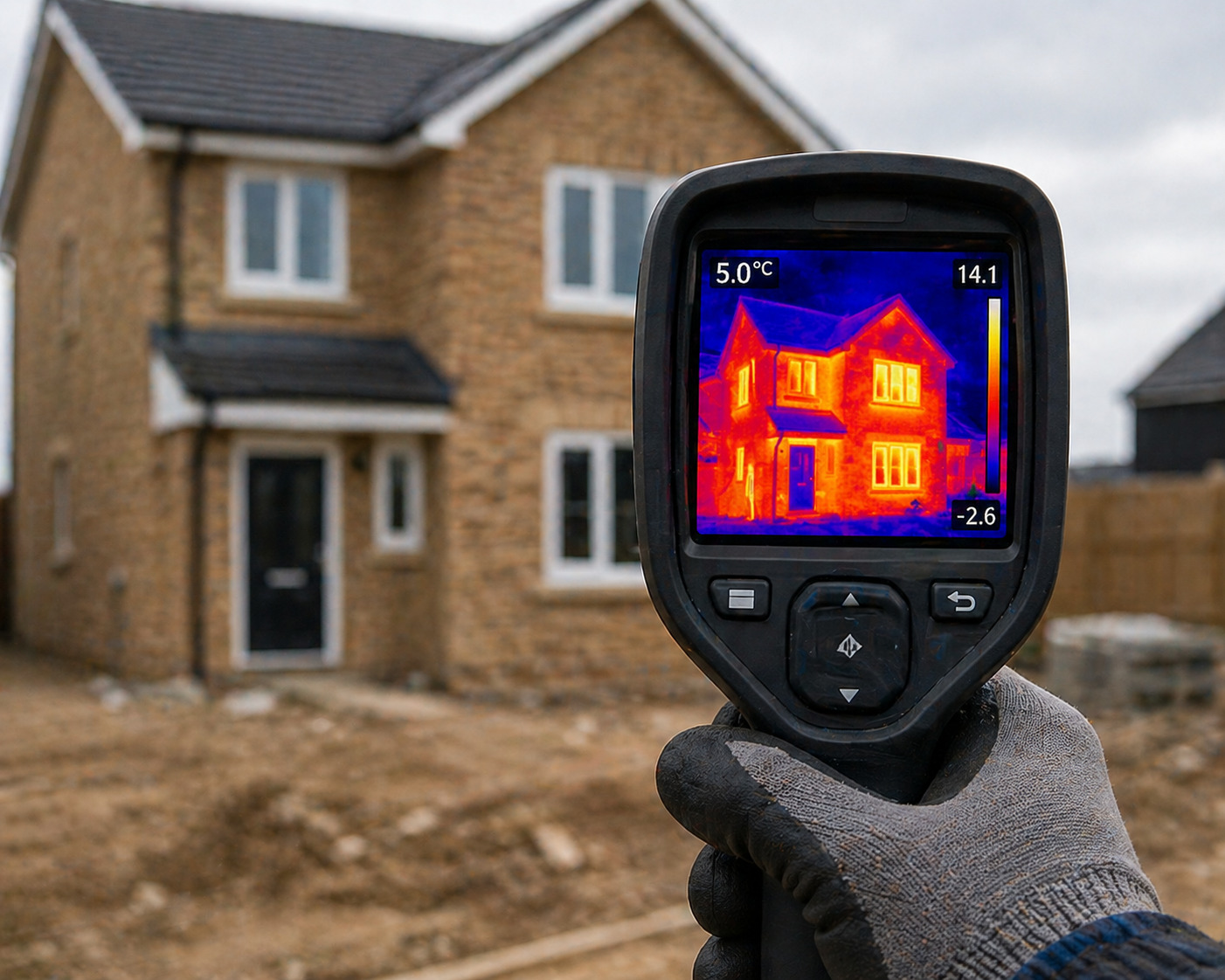
AVT UK’s energy efficiency testing and reporting helps show how a building is performing in practice.
Using testing, reporting and practical analysis, we can help identify:
- Where heat is being lost
- Where air leakage is affecting performance
- Whether ventilation is supporting compliance
- What improvements may be needed before sign-off
This gives you clearer evidence, better direction and fewer surprises at the end of the project.
The Real Challenge: Everything Has To Work Together
One of the biggest changes with the Future Homes Standard is the whole-house approach.
You cannot look at insulation, heating, airtightness and ventilation as separate things. They all affect each other.
For example, improving airtightness can reduce heat loss. But if ventilation has not been properly planned and tested, the home may not perform well for the people living in it.
Likewise, installing high-performance products will not help much if gaps, junctions and services are poorly sealed.
This is why AVT UK takes a practical, joined-up approach. We support developers, builders, landlords and property professionals with testing that looks at how the building is actually performing.
You can also read our guide on how to choose the right building energy assessment if you are not sure which test your project needs.
What Building Control May Look At More Closely
As standards tighten, Building Control is likely to pay closer attention to whether the finished home matches the intended design.
That may include:
- Whether specified products have been installed correctly
- Whether air tightness targets have been achieved
- Whether ventilation systems meet the required airflow rates
- Whether commissioning evidence is available
- Whether the building fabric performs as expected
In short, “near enough” will become harder to defend.
Clear testing, reporting and certification will become even more valuable because they give you evidence to support sign-off.
Why Testing Earlier Can Save Money
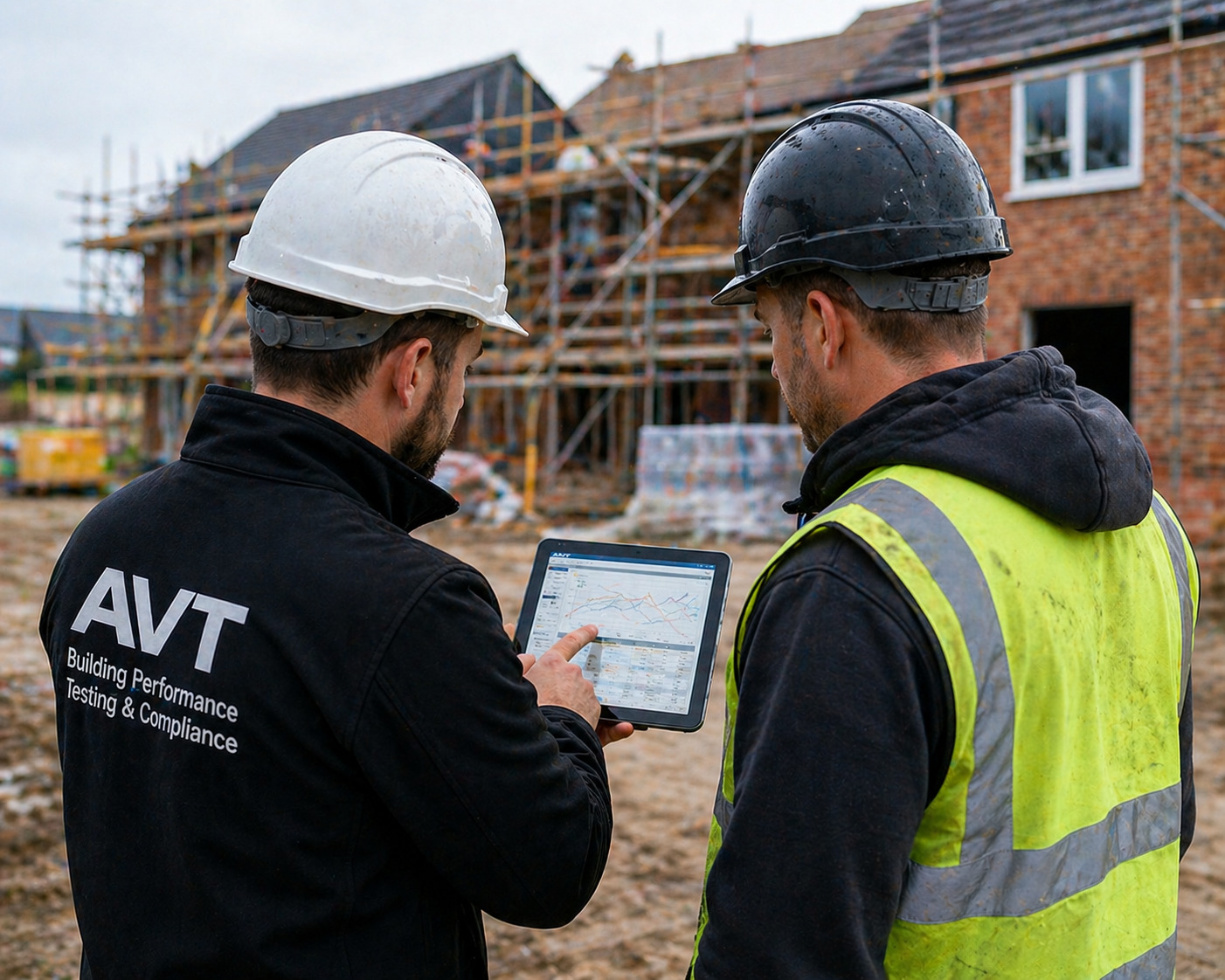
One of the most common problems on construction projects is late testing.
By the time an issue is found, the build is nearly finished. Floors are down. Finishes are complete. Trades have moved on. Everyone is under pressure.
That is when small defects become awkward and expensive.
Early testing helps you catch problems while they are still manageable. It can also help teams understand where details are failing, so the same issue is not repeated across multiple plots.
For developers, that can mean fewer failed tests, fewer delays and a smoother route to completion.
Does The Future Homes Standard Apply To Existing Homes?
The Future Homes Standard focuses mainly on new homes in England.
However, existing homes are still affected by wider energy efficiency rules, especially when major renovation, extension work or retrofit projects are involved.
Part L already applies to energy performance requirements for new and existing buildings. Over time, standards for existing homes are also expected to become more demanding.
For retrofit teams and landlords, this matters because poor ventilation, heat loss and air leakage can all affect comfort, compliance and long-term property performance.
AVT UK also supports retrofit and existing property projects through air tightness testing, ventilation assessments and energy performance reporting.
How AVT UK Can Help You Prepare
AVT UK helps you move from design intent to real performance.
We work with developers, builders, homeowners, landlords, retrofit teams and property professionals who need clear, practical testing and reporting.
Our services include:
- Air tightness testing
- Ventilation compliance assessments
- Energy efficiency testing and reporting
- Energy compliance consultancy
We give you clear results, practical advice and the evidence you need to keep your project moving.
Future Homes Standard: The Main Takeaway
The Future Homes Standard is not just about different products or new heating systems.
It is about building homes that perform properly.
That means better fabric, tighter air leakage control, effective ventilation and proper evidence for sign-off.
For builders and developers, the safest approach is to start treating testing as part of the build process, not something squeezed in at the end.
The earlier you understand how the building is performing, the easier it is to fix issues, protect deadlines and avoid costly delays.
Need Help With Compliance Testing?
If you have a project coming up, or one already on site, AVT UK can help you check what is needed and get the right testing in place.
Call 0161 706 1401 or send a message online — we’ll respond quickly and help keep your project moving.